
It's usually a small thing first. A knock somewhere behind the wall. A radiator that takes twenty minutes longer than it used to. Lukewarm mornings instead of warm ones. Most homeowners notice these signals and wait, because the system is still technically running, and running feels like fine. It isn't always.
A boiler that's overdue for service doesn't announce itself with a dramatic failure most of the time. It drifts. Efficiency drops a little each season, pressure creeps out of range, and one cold snap in January turns a manageable issue into an emergency call. Keeping a heating system reliable through a Raleigh winter takes more than hoping it holds together. It takes consistent care on a schedule, not a reaction to whatever breaks first.
That's the philosophy behind how we approach boiler service at Parkside Plumbing & HVAC. We've spent more than 20 years working on heating and hot water systems across Raleigh homes and businesses, and the pattern is consistent: the systems that last longest are the ones that get looked at before they demand attention. If you want the fuller picture of how heat and hot water fit together in one home, we cover that in our guide to reliable heat, hot water, and year-round comfort. This post focuses specifically on what boiler maintenance actually involves, why it matters, and what to expect when you schedule it.
What Is Boiler Maintenance, Exactly?
Boiler maintenance is the routine inspection, cleaning, and adjustment of a hydronic heating system, the kind that heats water or produces steam and circulates it through radiators, baseboard units, or in-floor loops to warm a home. That's a meaningfully different setup than a forced-air furnace, which heats and pushes air through ducts. Boilers are sealed systems built around water pressure, combustion, and heat exchange, and each of those components needs periodic attention to keep working the way it's supposed to.
Boilers are still common fixtures in older housing stock, including plenty of homes across Raleigh's established neighborhoods. Housing researchers at Harvard's Joint Center for Housing Studies have tracked how much of the country's housing supply is aging past 40 and 50 years old, and heating equipment in those homes is frequently original or close to it. An older boiler isn't automatically a problem. A neglected one usually is.
Maintenance, in practical terms, means a technician isn't waiting for something to break. They're checking the components that wear down gradually, before that gradual wear turns into a no-heat call on the coldest night of the year.
How Does Boiler Maintenance Actually Work?
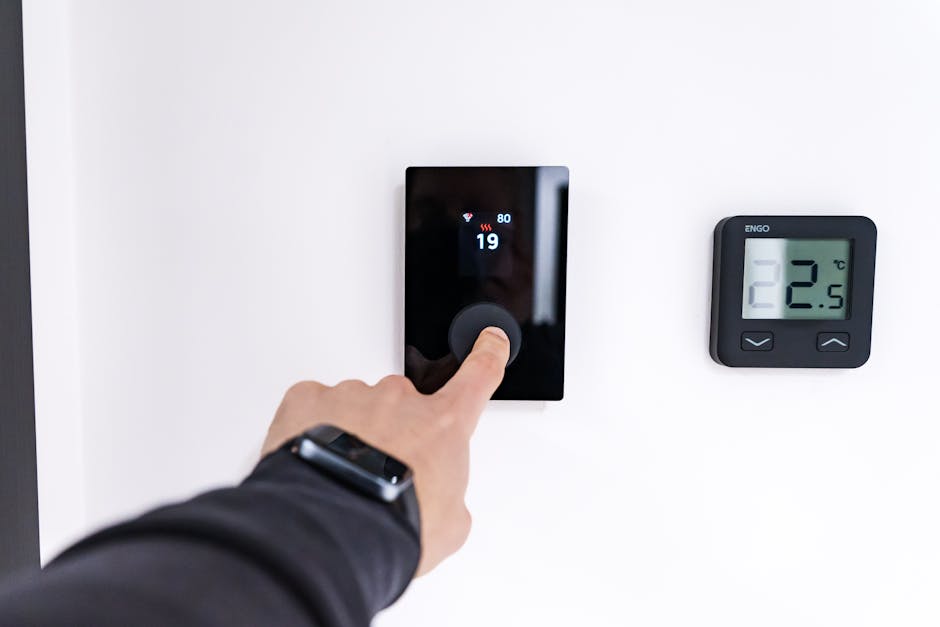
A typical boiler maintenance visit runs through a defined checklist: testing system pressure, bleeding trapped air from radiators or lines, inspecting the pressure relief valve, checking the expansion tank, cleaning the heat exchanger surfaces, and testing the thermostat and controls for accurate response. On gas and oil boilers, the technician also inspects the burner assembly, checks combustion efficiency, and confirms the flue and venting are clear and properly sealed.
That venting check matters more than most homeowners realize. Combustion appliances, boilers included, produce carbon monoxide as a byproduct, and a cracked heat exchanger or blocked flue can let that gas back into living space instead of venting it outside.
"Every year, more than 400 people in the United States die from accidental carbon monoxide poisoning not linked to fires, and many of those deaths trace back to malfunctioning or poorly maintained fuel-burning appliances."
That's exactly why the combustion and venting check isn't optional on a professional visit. It's the difference between routine upkeep and a genuine safety inspection, and it's one reason skilled handling from a trained technician matters more with boilers than with almost any other home system.

How Often Should a Boiler Be Serviced?
Most manufacturers and technicians recommend boiler maintenance once a year, ideally in early fall before the heating season starts. Homes with older units, hard water, or heavy daily use may benefit from a check twice a year. Waiting longer than 18 months without service increases the odds of a mid-winter breakdown.
Annual timing isn't arbitrary. A boiler that's sat idle through spring and summer needs its pressure, seals, and controls verified before it's asked to run continuously again. This is the same logic behind the checkpoints in our seasonal home maintenance schedule, which walks through when to service each major system in the house rather than treating them as one-off tasks.

Modern boilers rely on circuit boards and electronic controls almost as much as mechanical parts, which is why a maintenance visit isn't just wrenches and gauges anymore. Technicians also test the control board's response to thermostat calls, verify safety interlocks, and confirm the ignition sequence fires correctly every time. That electrical layer is part of why hvac system repair and boiler service increasingly overlap; a bad sensor or failed relay can mimic a mechanical problem entirely.
What Does a Maintenance Visit Cover?
A thorough visit touches nearly every part of the system, but a few checks come up on essentially every service call. Here's what maintenance required for a boiler typically includes:
- Testing and adjusting system water pressure to manufacturer specs
- Bleeding air from radiators, baseboards, or in-floor loops
- Inspecting the pressure relief valve and expansion tank
- Cleaning burner components and checking combustion efficiency
- Verifying flue and venting are clear, sealed, and drawing properly
- Testing thermostat calibration and zone valve response
- Checking for corrosion, mineral buildup, or leaks at fittings and joints
- Confirming the circulator pump moves water freely with no unusual noise
If your home also has a separate hot water tank, some of this overlaps with tank-side upkeep. We wrote about the sediment side of that in our guide to water heater sediment flushing, since mineral buildup affects both systems in similar ways, particularly in areas with harder water.
Is Boiler Maintenance Right for Every System?
Not always, and a good technician will tell you that honestly. Boilers north of 15 to 20 years old, especially ones with a cracked heat exchanger, chronic pressure loss, or corrosion at the base, sometimes cost more to keep patching than they'd cost to replace. In those cases, maintenance can extend a system's life by a season or two, but it can't reverse structural wear.
There are also situations where a different system entirely makes more sense. Homes doing a larger renovation, or ones without existing hydronic piping, sometimes fare better with a heat pump than a like-for-like boiler replacement, particularly for mixed heating and cooling needs. That's a bigger decision than a maintenance visit, and it deserves its own conversation with a technician who isn't just trying to sell a repair. We walk through a similar decision framework, timeline versus budget, in our post on when to replace a water heater, and the same logic largely applies to boilers.
If your home is also dealing with weak flow at the fixtures, that's worth investigating separately, since it's not always related to the heating system itself. We cover common culprits in our piece on low water pressure causes and solutions.
What Should You Expect After a Maintenance Visit?
A well-maintained boiler runs quieter, heats more evenly, and holds pressure without the technician having to top it off every few weeks. Most homeowners notice the difference within the first heating cycle or two after service: rooms that used to lag behind catch up faster, and the system doesn't short-cycle as often.
The financial side takes a little longer to show up clearly, usually over a full season, since it's measured in utility bills rather than one obvious moment. Heating is a significant line item in most household budgets, and neglected equipment tends to lose efficiency gradually enough that homeowners don't notice until they compare bills year over year.
"Cold, poorly heated homes are associated with increased respiratory and cardiovascular strain, and the risk is highest among older adults and young children who spend the most time indoors."
That's part of why we treat boiler maintenance as more than an efficiency checkbox. Reliable heat is a comfort issue and, for some households, a health one too. A well-maintained boiler with regular service can run reliably for 15 years or longer, while a neglected one often needs major repairs well before the ten-year mark. Long-term reliability isn't something you get by accident. It's the result of consistent care, year after year, not a single visit after something already went wrong.
Practical Tips Between Professional Visits
You shouldn't be doing combustion checks or pressure adjustments yourself, but there's a real role for basic homeowner awareness between service calls.
- Check the pressure gauge monthly during heating season and note if it's dropping steadily, which usually points to a slow leak
- Listen for new noises, especially banging or gurgling, which often means trapped air or mineral buildup
- Keep the area around the boiler clear of stored boxes, paint, or anything flammable
- Test carbon monoxide detectors near the utility room monthly and replace batteries on schedule
- Watch for uneven heat between rooms, which can signal a zone valve or circulator issue starting to develop
- Schedule service before the season starts, not after the first cold snap exposes a problem
None of these replace a professional visit. They're early-warning habits that help you catch a developing issue before it becomes an emergency call, and acting early prevents costly damage far more often than waiting does.
As Neil Henderson, who writes on home systems for Parkside Plumbing & HVAC, puts it, the homeowners who call before there's a problem almost always spend less over the life of the system than the ones who wait for a breakdown. That's really the whole case for maintenance in one sentence. It's a smart investment precisely because it's boring: nothing dramatic happens, the heat just keeps working, and the bigger repair bill never shows up. If your boiler is overdue for a look, or you're not sure when it was last serviced, it's worth getting on a technician's schedule before the temperature drops and everyone else has the same idea. One call covers the inspection, the adjustments, and the peace of mind that comes with knowing the system is ready for whatever the season brings, and that kind of time-saving convenience is exactly what routine maintenance is supposed to deliver.