
There’s nothing quite like a cold shower when you’re expecting hot water to send a jolt through your morning. A failing water heater isn’t just an inconvenience; it can disrupt your entire household, signal impending leaks, and rack up energy bills without you even knowing. For many Raleigh homeowners, the question isn’t if their water heater will eventually need replacing, but when—and what kind of system will best serve their home.
The good news is that understanding your options and recognising the signs of an aging unit can save you money, stress, and a lot of chilly mornings. We’re here to guide you through the process, helping you make an informed decision for reliable hot water. For detailed information on maintaining your home’s hot water supply, we invite you to explore our water heater and boiler services.
At Parkside Plumbing & HVAC, we understand that keeping your home comfortable involves more than just fixing problems as they arise. It means thinking ahead, investing wisely, and having reliable professionals on your side. We have over 20 years of industry experience across plumbing, heating, cooling, and related home systems, helping families like yours keep their water running hot.
What Is a Tankless Water Heater, and How Does it Work?
A tankless water heater, also known as an on-demand water heater, produces hot water only when you need it, eliminating the need for a bulky storage tank. When a hot water tap is opened, cold water travels through a pipe into the unit, where a powerful heating element quickly raises the water’s temperature before it flows out to your faucet or appliance.
Unlike traditional water heaters that continuously heat and reheat a large tank of water, tankless systems operate by sensing the flow of water. As cold water enters the unit, either a gas burner or an electric element ignites, instantly heating the water to your desired temperature. This process provides an endless supply of hot water, provided the unit is properly sized for your household’s demand. The U.S. Department of Energy highlights that tankless water heaters can be 24%–34% more energy efficient than conventional storage tank water heaters for homes that use 41 gallons or less of hot water daily. For more information, visit the Energy.gov website.
How Old Should Your Water Heater Be Before Replacing It?
Most traditional tank-style water heaters have a lifespan of about 8 to 12 years. If your unit is approaching or has exceeded this age range, it’s wise to start considering replacement, especially if you’re experiencing frequent issues or noticing a dip in performance. Tankless units can last significantly longer, often 20 years or more with proper maintenance.
The exact age depends on several factors: the quality of the original installation, how consistently it has been maintained, and the hardness of your water. Neil Henderson, who writes for Parkside Plumbing & HVAC, often notes that “while a standard tank unit might push past its 10-year mark, you’re likely sacrificing efficiency and risking a sudden failure.” Keeping up with consistent care, like annual flushing, can extend its life, but it won’t last forever. Even if your water heater seems to be working, an older unit is inherently less efficient, costing you more in utility bills each month.
“Homeowners should keep a close eye on their water heater’s age. While some units might soldier on for longer, replacing a conventional tank water heater after 10-12 years is a smart move for efficiency and to prevent inconvenient breakdowns.”
How Do You Know When to Replace Your Water Heater?
Aside from age, several clear warning signs indicate that your water heater is nearing the end of its functional life. Paying attention to these symptoms can help you replace it proactively, preventing a sudden, costly emergency.
Here are key indicators it might be time for a new unit:
- Lack of Hot Water: If you’re consistently running out of hot water faster than usual, or if it’s not getting as hot as it once did.
- Leaking Tank: Any puddles or drips around the base of the water heater are a major red flag, often signaling internal rust and tank failure.
- Rust-Colored Water: If the hot water from your tap appears rusty or discolored, it indicates corrosion inside the tank.
- Strange Noises: Banging, rumbling, or popping sounds coming from the tank suggest mineral buildup, which reduces efficiency and stresses the tank.
- Sulphur or “Rotten Egg” Smell: This often points to bacterial growth in the tank, which can be remedied but might also signal a dying anode rod and overall system fatigue.
- Increased Energy Bills: A sudden spike in your utility bills without a change in usage could mean your water heater is working harder, and less efficiently, to heat water.
If you recognise these symptoms, servicing is recommended immediately. Our team handles a wide range of plumbing repairs and installations, from minor fixes to full system replacements.
Is It Worth Fixing a 20-Year-Old Water Heater?
Generally, no. Trying to fix a water heater that is 20 years old or older is rarely a smart investment. The components are likely worn out, corrosion is almost certainly present, and even a successful repair might only extend its life by a short period, leaving you with another breakdown soon after.
When a unit reaches this age, its energy efficiency is drastically reduced compared to modern models. Even if a repair seems cheaper in the short term, the money you save on the fix will likely be lost through higher utility bills and the eventual need for a full replacement anyway. Furthermore, parts for very old units can be hard to find, increasing repair costs and downtime. In our Raleigh practice, we’ve seen countless cases where delaying replacement on such old units led to burst tanks and significant water damage, creating an even more expensive problem. Act early; it prevents costly damage.
How Long Does a Water Heater Last with Hard Water?
Hard water significantly shortens the lifespan of a water heater by causing mineral buildup, primarily calcium and magnesium, inside the tank and on heating elements. This sediment accumulation reduces efficiency and can lead to premature failure.
When hard water is heated, these minerals precipitate out and form a hard scale. This scale insulates the heating elements, forcing them to work harder and increasing energy consumption. Over time, the sediment can also accumulate at the bottom of the tank, reducing its capacity and potentially blocking the drain valve. This not only makes the unit less efficient but also accelerates corrosion and can lead to leaks. Regular flushing can help, but in areas with very hard water, even a well-maintained unit might only last 6-8 years instead of the typical 8-12. According to a study by the Water Quality Association, hard water can reduce the efficiency of a water heater by up to 24%, emphasizing the long-term cost implications for homeowners. You can learn more about water quality effects on appliances through resources like the Water Quality Association.
“Mineral buildup from hard water acts as an insulator, making it harder for the heating elements to transfer heat to the water. This dramatically increases operating costs and can shave years off a water heater’s expected life.”
What to Expect When Replacing Your Water Heater: Timeline and Budget
Replacing a water heater is an investment, but it’s a smart one for your home’s long-term reliability and comfort. The timeline for installation typically ranges from a few hours for a direct tank-to-tank swap to a full day or more for converting to a tankless system, especially if gas line or electrical upgrades are needed.
Budget-wise, a standard tank replacement can range widely depending on the tank size, fuel type (electric or gas), and any necessary code upgrades. Tankless water heaters generally have a higher upfront cost for the unit and installation, but they offer significant long-term savings through increased energy efficiency and a longer lifespan. These units also qualify for potential tax credits or rebates, making the initial investment more palatable. We work with you to provide transparent quotes, ensuring you understand the full scope and cost before we begin.
Considering Alternatives: Tank vs. Tankless
While tankless water heaters offer many advantages, they aren’t the only option, and a traditional tank-style water heater might still be the best fit for some households. If your hot water usage is consistently low, or if the upfront cost and potential installation modifications for a tankless unit are prohibitive, a modern, high-efficiency tank heater can be an excellent choice. Our technicians will assess your home’s specific needs, hot water demand, and budget to recommend the most suitable system. We also handle HVAC services, understanding how all your home’s systems work together to deliver comfort and efficiency.
Practical Tips for Water Heater Longevity and Efficiency
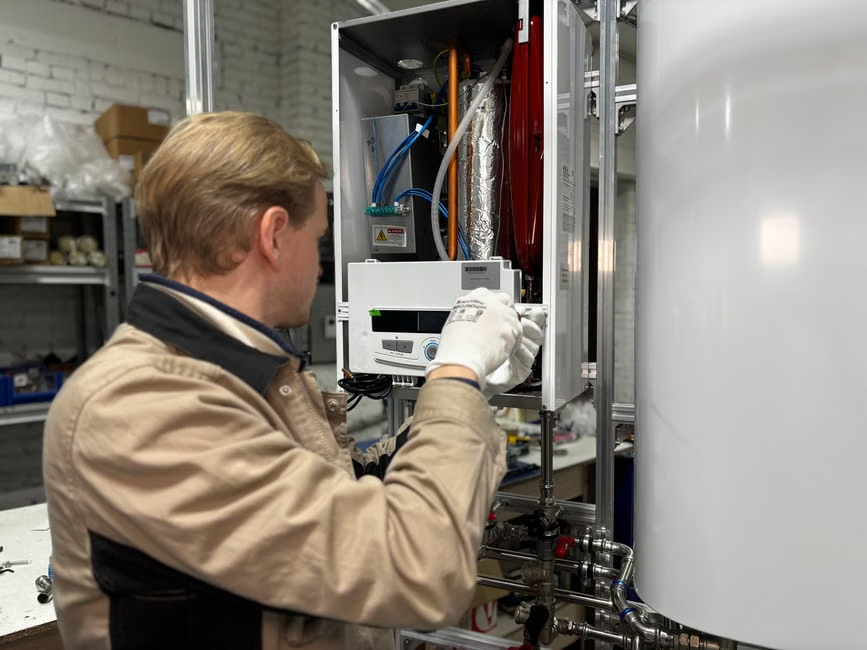
Once you have a new water heater, whether it’s a tankless unit or a traditional tank, a few simple practices can significantly extend its life and maintain its efficiency. This means fewer repair calls and more consistent hot water for your family.
- Schedule Annual Maintenance: Have a professional flush your tank-style water heater annually to remove sediment. For tankless units, descaling is crucial, especially in hard water areas.
- Check the Anode Rod: For tank heaters, the anode rod helps prevent corrosion. Inspect and replace it every 3-5 years; it’s a sacrificial part designed to corrode instead of the tank.
- Insulate Your Water Heater and Pipes: Insulating an older tank and the first six feet of hot and cold water pipes can reduce heat loss, saving energy.
- Set the Temperature Correctly: Most households find 120°F (49°C) to be a safe and efficient temperature setting. Higher temperatures waste energy and increase the risk of scalding.
- Know Your Water Quality: If you have hard water, consider a water softener to protect your water heater and other appliances from mineral buildup.
- Monitor for Leaks and Noises: Get into the habit of occasionally checking around your unit for any signs of trouble. Early detection can prevent major issues.
These small steps can make a big difference in the long-term reliability of your water heating system. Remember, skilled handling and proactive care are key. If you’re looking for guidance on general water system maintenance, our plumbing services cover everything you need.
Deciding when to replace your water heater, and with what type, is a significant decision for any Raleigh homeowner. It’s about more than just hot showers; it’s about energy efficiency, long-term savings, and the peace of mind that comes with a reliable system. By understanding the signs of wear, the benefits of modern technology like tankless units, and the importance of professional installation and maintenance, you’re making a smart investment in your home. Our team at Parkside Plumbing & HVAC is here to provide the expertise and service you need, ensuring one call covers it all for your comfort and safety. Let us help you keep your home comfortable and your water systems running smoothly for years to come.