
When spring arrives in Raleigh, the last thing you want is to flip on your air conditioner for the first time in months and find it struggling. Warm air. Strange noises. Nothing at all. A spring air conditioning tune-up catches small problems before they become expensive repairs and confirms your system is ready for North Carolina’s long, humid summers. At Parkside Plumbing & HVAC, we’ve seen firsthand what skipping seasonal maintenance costs homeowners: compressor failures, refrigerant leaks, and full system replacements that consistent care would have prevented.
Most air conditioners don’t fail dramatically. They degrade slowly. A clogged filter here, a dirty coil there. Before long, the system works twice as hard to cool half as well. By the time a homeowner notices, the electric bill has climbed and the system is years closer to the end of its life. Scheduling a tune-up in March or April, before the heat peaks, gives a technician time to address those problems on your schedule, not the system’s.
Our HVAC services in Raleigh cover the full range of cooling system maintenance, from filter replacement and coil cleaning to refrigerant charge verification and thermostat calibration. Whether your home runs a standard split system, a heat pump, or a ductless mini-split, spring is the right time to have it inspected. Below, we answer the questions we hear most often about AC tune-ups, starting with the most fundamental one.
Is an AC Tune-Up Necessary?
Yes, and more so than most homeowners realize. A spring AC tune-up extends equipment life, reduces energy consumption, and catches small failures before they turn into costly breakdowns. Most manufacturers also require documented annual service to keep warranty coverage valid, a condition many homeowners don’t discover until they file a claim and find coverage was voided by lack of maintenance.
Think of it the way you think about an oil change. Your car keeps running for a while without one, but the damage accumulates. A well-maintained central air system can last 15 to 20 years; a neglected one often needs full replacement at 10. In Raleigh’s climate, where the cooling season runs from May through October, that difference is significant. Annual tune-ups typically cost $75 to $150, a small fraction of the $5,000 to $12,000 cost of replacing a residential system.
With over 20 years of industry experience across plumbing, heating, and cooling, our team has watched preventable failures cost homeowners thousands of dollars that a single service visit would have avoided. Regular maintenance isn’t just a recommendation. It’s one of the smartest investments you can make in your home.
“Replacing a dirty, clogged filter with a clean one can lower your air conditioner’s energy consumption by 5 to 15 percent.”
What Does a Spring AC Tune-Up Include?
A spring AC tune-up covers both the indoor air handler and the outdoor condenser unit, verifying every component is clean, calibrated, and operating within spec before daily cooling season begins. A thorough inspection takes one to two hours and gives you a complete picture of your system’s current condition — not just what’s wrong, but what’s wearing down.
Here’s what a complete spring tune-up typically covers:
- Air filter inspection and replacement, or cleaning for reusable filters
- Evaporator and condenser coil cleaning to restore heat transfer efficiency
- Refrigerant level check and leak inspection
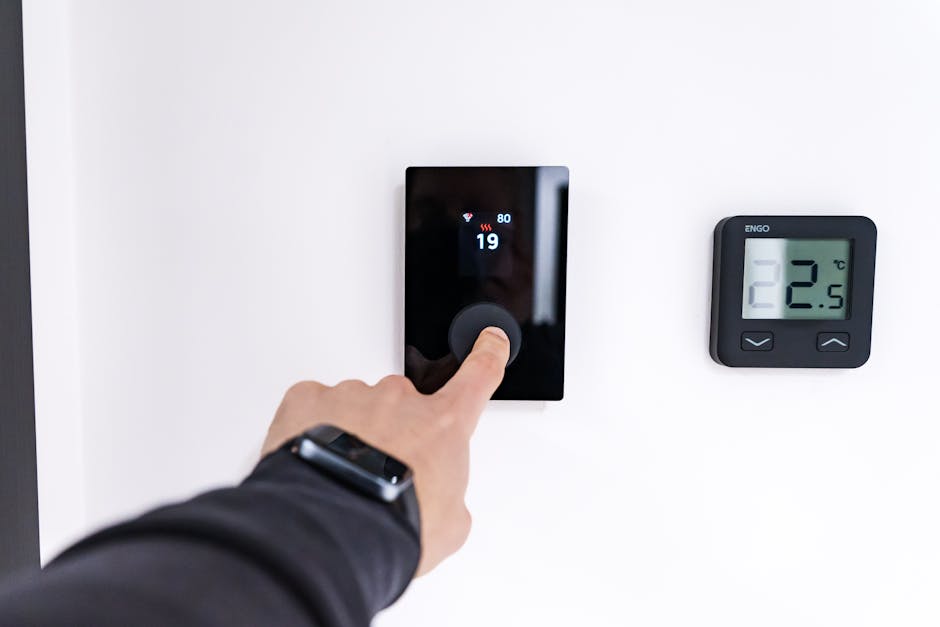
- Thermostat calibration and performance test
- Condensate drain clearing to prevent water backup and moisture damage
- Electrical connections tightened and tested; capacitors and contactors inspected
- Blower motor and belt inspection for wear
- Outdoor unit clearance check for debris and obstructions
Dirty coils are one of the most common findings. When the evaporator coil is coated in dust, heat exchange slows and the system runs longer cycles while consuming more electricity. Cleaning the coil restores capacity without replacing any parts. The electrical side of the inspection matters too. Loose or corroded connections, failing capacitors, and worn contactors are quiet problems that cause sudden failures on the hottest days of the year. If your home also needs attention beyond the HVAC system, our electrical services can address wiring, outlets, and panel concerns during the same service window.
How Much Does an AC Tune-Up Usually Cost?
Most AC tune-ups run between $75 and $200 depending on system size, the technician’s findings, and whether any parts need replacement. Homeowners in the Raleigh area typically pay in the $100 to $150 range for a standard single-system inspection. If the technician identifies issues — a refrigerant shortage, a failing capacitor, worn contactors — those repairs are quoted separately and approved before any work begins.
A few factors affect the final price:
- Single-zone versus multi-zone systems (each air handler may be quoted separately)
- Whether the visit is a standalone tune-up or part of an annual maintenance plan
- Age and condition of the equipment (older systems often require more time and parts)
- Season and scheduling (summer emergency calls cost more than pre-season appointments)
Maintenance plans make the most financial sense for homeowners with older equipment or multiple systems. A plan typically bundles spring and fall visits at a reduced rate and often includes priority scheduling for emergency calls. For reference, a single compressor replacement runs $1,200 to $2,500. Consistent tune-ups often delay or prevent that cost entirely. Spring is also a good time to schedule your water heater and boiler service, since seasonal checks across multiple systems in one visit can reduce your overall maintenance spend.
Can Air Conditioning Make Bronchitis Worse?
A well-maintained air conditioner won’t worsen bronchitis; in fact, it often helps by filtering airborne irritants and maintaining stable indoor humidity. The real concern is a neglected system with dirty filters and contaminated coils that recirculate dust, mold spores, and allergens through the home. Those are the conditions that aggravate bronchial passages, not the cooling itself.
Bronchitis is an inflammation of the bronchial tubes typically triggered by infection or repeated exposure to lung irritants. Mayo Clinic identifies dust, chemical fumes, and air pollution as common irritants that can worsen bronchitis symptoms in susceptible individuals. A clean, properly serviced AC system removes a large share of those particles from the air rather than adding to them. The condensate drain and coil surfaces are particular concerns: when left dirty, they become breeding grounds for mold and bacteria that get pushed directly into living spaces.
“People with chronic bronchitis or other respiratory conditions should take steps to improve indoor air quality, including regular maintenance of heating and cooling systems and prompt replacement of air filters.”
If anyone in your household has a respiratory condition, spring is the best time to schedule service. Fresh filters, clean coils, and a cleared condensate drain make a real difference in the air quality inside your home throughout the summer months. Neil Henderson, who covers home systems for Parkside Plumbing & HVAC, notes that customers with asthma and allergy concerns frequently report noticeable improvement after a full system cleaning, not just in comfort but in air quality.
What to Check Before Calling a Technician
Before scheduling a tune-up, a quick walk-through of your home can help a technician work more efficiently and may surface simple issues you can address yourself. A few things worth checking:
- Look at the air filter. If it’s visibly gray or clogged, replace it before the tech arrives. A clean filter improves airflow and gives the technician an accurate baseline reading.
- Check the outdoor condenser unit for debris. Leaves, grass clippings, and dirt buildup around the unit restrict airflow to the coils. Clear a two-foot radius if possible.
- Test your thermostat by setting it five degrees below the current indoor temperature and confirming the system kicks on within a minute or two.
- Listen for unusual sounds during the first startup: rattling, grinding, or high-pitched squealing are worth noting and reporting to the technician.
- Check supply vents in each room. Blocked or closed vents in unused rooms can create pressure imbalances that strain the system.
These steps don’t replace a professional inspection, but they give you useful information going in and confirm whether basic operation is working before the technician arrives. If you notice standing water near the air handler or a musty smell coming from vents, mention that immediately. Both are signs of a drainage or mold problem that needs skilled handling before the cooling season begins. Our plumbing services handle condensate line issues and drain-related concerns that sometimes overlap with HVAC water management, and our handyman services can address secondary repairs like vent covers, insulation gaps, or access panel issues in the same visit.
Spring is a short window. Raleigh moves from mild to hot quickly, and HVAC scheduling fills up fast once temperatures climb past 80 degrees. Booking a tune-up now, while you have flexibility, means your system gets the attention it needs before you’re relying on it around the clock. A well-maintained air conditioner runs quieter, costs less to operate, and lasts significantly longer than a neglected one. One call covers it all, and we’re ready to make sure your home stays comfortable from the first warm day through the last. Reach out to Parkside Plumbing & HVAC to schedule your spring AC tune-up and go into summer with confidence.