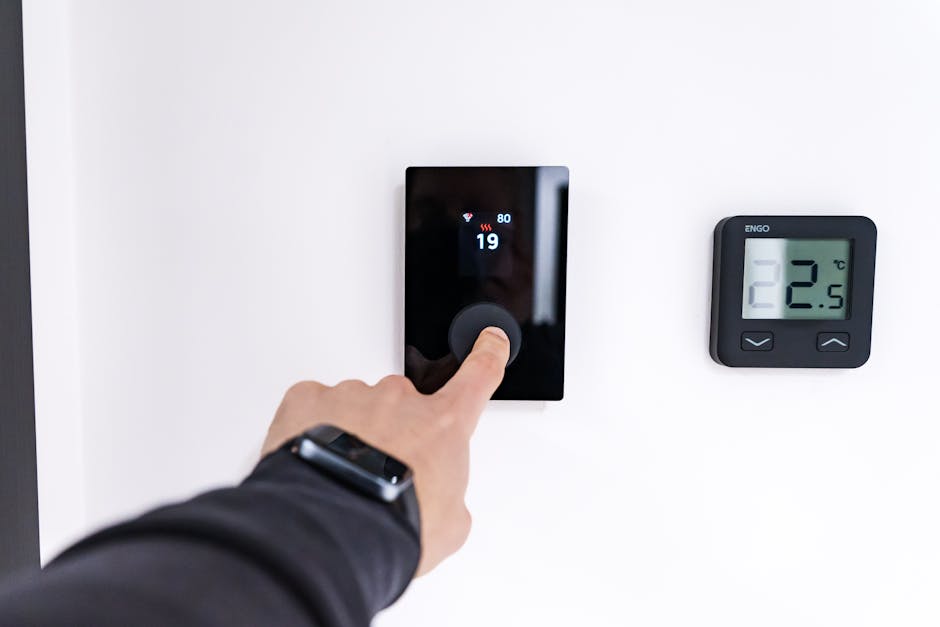

Choosing a heating system for your Raleigh home isn’t as simple as picking the newest model or the lowest upfront price. You’re weighing fuel costs, climate fit, long-term reliability, and how hard your system has to work on the coldest nights of the year.
Most homeowners come to us already leaning one direction. Some have heard heat pumps are the smarter choice. Others have run a gas furnace their whole lives and see no reason to change. Both instincts can be right, depending on your home, your budget, and how you use your space.
At Parkside Plumbing & HVAC, we’ve been helping Raleigh homeowners make this exact call for over 20 years. Our HVAC services cover both system types, so we have no stake in pushing one over the other. What follows is an honest breakdown of how each system works, where each one wins, and how to choose wisely for your home.
What is the best heating system for a residential home?
For most Raleigh homeowners, a heat pump offers the best balance of year-round efficiency and comfort in our mild climate. Furnaces become more competitive when temperatures regularly drop below 30°F, when natural gas prices are favorable, or when a home lacks the electrical infrastructure to support a heat pump upgrade.
Heat pumps work by moving heat rather than generating it. A modern heat pump can deliver two to three units of heat for every unit of electricity it consumes. That’s a fundamental efficiency advantage over any fuel-burning system. North Carolina winters are relatively mild, which means heat pumps operate in their sweet spot for most of the heating season.
That said, when Raleigh does get a hard freeze, standard heat pumps struggle to maintain output without engaging backup electric heat strips. Those strips are far less efficient and can push electric bills noticeably higher. High-efficiency gas furnaces, particularly models rated at 95% AFUE or above, deliver consistent, powerful heat at any outdoor temperature. If your home has existing gas lines and your household runs cold, a furnace may still be the smarter long-term fit.
Why don’t contractors like heat pumps?
Some HVAC contractors are less enthusiastic about heat pumps because they require different diagnostic skills than traditional furnaces and central air conditioners. Refrigerant handling, defrost cycle logic, and variable-speed components demand updated training. Contractors who built their business around gas systems may default to what they know, not necessarily what serves you best.
This isn’t universal, but it’s a fair thing to ask about when you’re getting quotes. A technician who rarely installs or services heat pumps may underestimate installation requirements, recommend oversized equipment, or misdiagnose a defrost cycle issue as a compressor failure.
We’ve seen heat pumps develop a bad reputation because of poor installation, not because the technology is flawed. Undersized refrigerant lines, incorrect charge levels, or a poorly matched air handler can all cause the kind of problems homeowners later blame on the system. Skilled handling from the start makes the difference. When you work with reliable professionals who stay current on both technologies, you get an honest recommendation based on your home, not on what a contractor is most comfortable selling.
What is the $5,000 rule for HVAC?
The $5,000 rule is a practical decision framework: multiply your system’s age by the estimated repair cost. If the result exceeds $5,000, replacement is usually more cost-effective than repair. A 12-year-old unit facing a $500 repair scores $6,000, which suggests the replacement conversation is worth having.
This rule isn’t precise, but it gives homeowners a useful starting point when staring at a repair estimate and wondering whether to put money into an aging system. A furnace or heat pump that’s 15 years old with a major component failure is likely near the end of its efficient service life regardless of what the repair fixes.
“Heat pumps typically last 10 to 15 years, while furnaces can last 15 to 30 years with proper maintenance. Replacing an old, inefficient system with a high-efficiency model can cut your heating and cooling costs by up to 20 percent.”
The $5,000 threshold also helps you avoid the trap of repeated smaller repairs that collectively cost more than a replacement would have. A cracked heat exchanger, a failed compressor, or a burned-out blower motor in an older unit can each trigger this calculation. At Parkside Plumbing & HVAC, we assess system condition, age, and estimated remaining service life before making any replacement recommendation. Our goal is long-term reliability for your home, not a quick equipment sale.
Why is my electric bill so high with a heat pump?
High electric bills with a heat pump almost always trace back to one of four causes: the system is running on backup electric resistance strips, the refrigerant charge is off, the unit is undersized for the home, or the thermostat is set to “Emergency Heat” unnecessarily. Each has a specific fix.
Backup heat activation is the most common culprit. When outdoor temperatures drop below the heat pump’s efficiency threshold, typically between 35 and 40°F for standard units, the system engages electric resistance strips to supplement output. Those strips are significantly less efficient than the heat pump itself. A low refrigerant charge forces the compressor to run continuously without reaching your set temperature, which has the same effect on your bill.
“In heating mode, heat pumps are two to three times more energy efficient than electric resistance heaters. However, as outdoor temperatures fall, the heating efficiency of an air-source heat pump decreases, and supplemental heat is often required in colder climates.”
If you’re seeing unexpectedly high bills, check your thermostat setting first. Confirm it’s on “Heat,” not “Emergency Heat.” Then schedule a diagnostic. A refrigerant check, filter replacement, and defrost cycle inspection can usually identify the issue in a single visit.
Heat pump vs furnace: a direct comparison
- Efficiency: Heat pumps deliver 200 to 300% efficiency in moderate conditions. Gas furnaces run 80 to 98% AFUE depending on the model.
- Fuel type: Heat pumps run on electricity. Furnaces burn natural gas, propane, or oil.
- Cold weather output: Furnaces maintain consistent heat at any outdoor temperature. Heat pumps may need backup strips below 30°F.
- Dual function: Heat pumps both heat and cool. Furnaces only heat and require a separate cooling system.
- Lifespan: Furnaces typically last 15 to 25 years. Heat pumps average 10 to 15 years with regular maintenance.
- Installation complexity: Both require properly sized ductwork. Heat pump installations also require adequate electrical panel capacity.
Five things to evaluate before choosing a system for your Raleigh home
- Audit your existing ductwork. Leaky or undersized ducts hurt performance regardless of which system you install. Start there before comparing equipment.
- Check your gas access. If your home already has a gas line and your utility rates favor gas, a high-efficiency furnace may offer lower operating costs over time.
- Review your electrical panel. Heat pump installations often require a panel that can handle the increased electrical load. Older Raleigh homes sometimes need an upgrade before a new system can be safely connected.
- Consider a dual-fuel system. A dual-fuel setup pairs a heat pump for moderate weather with a gas furnace for hard freezes, giving you efficiency across all conditions.
- Get a Manual J load calculation. Proper sizing is the single most important factor in long-term comfort and efficiency. An undersized or oversized system creates problems no amount of servicing will fully fix.
Your heating system doesn’t work in isolation. An aging water heater or boiler running alongside a struggling furnace or heat pump adds to your overall utility costs and comfort issues. We often evaluate both systems together during a whole-home assessment to give you a clearer picture of where your money is actually going.
Heat pump installations also place demands on your home’s electrical infrastructure. Our electrical services team can assess your current panel capacity and handle any upgrades as part of the same service visit, so the work gets done right the first time without coordinating multiple contractors.
For homes managing several aging systems at once, the one-call approach makes a real difference. Whether you need a furnace inspection before winter, a heat pump diagnostic, or a full system replacement, our plumbing and HVAC teams coordinate to keep your home running without the back-and-forth.
Neil Henderson writes for Parkside Plumbing & HVAC, a Raleigh-based service company with over 20 years of industry experience across plumbing, heating, cooling, and related home systems. The right heating system, sized correctly and installed by skilled professionals, is one of the smartest investments you can make in your home. Whether a heat pump or a furnace suits your Raleigh property better depends on your specific conditions, and getting that answer right from the start saves you real money for years to come. If you’re ready to evaluate your current system or explore a replacement, we’re one call away.