
There’s little worse on a frigid Raleigh winter day than walking into a home that feels like an icebox because your furnace decided to quit. The unexpected silence from your heating system can quickly turn from an inconvenience to a serious concern for comfort and safety. Freezing temperatures aren’t just uncomfortable; they can pose risks to your household and even your home’s plumbing.
When the cold really settles in, a reliable furnace isn’t just a luxury; it’s a necessity. We understand the immediate worry when your warmth disappears. That’s why being prepared with a plan, knowing basic troubleshooting, and understanding when to call for expert help is so important.
At Parkside Plumbing & HVAC, we’ve seen every type of heating emergency over our 20+ years of service to the Raleigh area. Our reliable professionals are ready to help keep your home comfortable and safe, whether it’s a minor hiccup or a major system failure. When your furnace stops working, especially during a cold snap, we’re here to provide swift, skilled HVAC services to get your heat back on.
What to do if your furnace stops working in the winter?
If your furnace stops working in winter, first check your thermostat settings, ensure the furnace switch is on, and inspect your circuit breaker. Replace a dirty air filter and verify the pilot light if you have an older model. If these basic steps don’t resolve the issue, contact a professional HVAC technician immediately to diagnose and repair the problem, preventing potential pipe freezes and maintaining indoor safety.
A non-responsive furnace in freezing weather demands your attention. Your immediate actions can often prevent further damage or even get the system running again. Many furnace issues are surprisingly simple to resolve with a few checks.
Foundation: How Furnaces Keep You Warm
At its core, a furnace works by burning fuel (natural gas, propane, oil) or using electricity to generate heat. This heat then warms air, which is circulated throughout your home via a fan and ductwork. Modern furnaces are complex systems, integrating components like thermostats, igniters or pilot lights, burners, heat exchangers, blower motors, and safety sensors.
A common problem is often related to airflow. According to the U.S. Department of Energy, one of the easiest ways to ensure your furnace runs efficiently is to replace or clean filters regularly. A clogged filter restricts airflow, forcing the furnace to work harder and potentially leading to overheating and system shutdown.
“The dangers of a malfunctioning furnace extend beyond just comfort; they can include carbon monoxide poisoning, which is odorless, colorless, and highly toxic. Ensuring your heating system is properly maintained and serviced annually is critical for family safety.”
Why won’t my furnace turn on when it’s cold?
Your furnace might not turn on in cold weather due to several common issues, including a tripped circuit breaker, an incorrectly set thermostat, a clogged air filter, a faulty pilot light or igniter, or a blocked condensate drain line. Safety mechanisms can also shut down the system if they detect overheating or a dangerous condition, preventing it from operating until the problem is addressed.
When the temperature drops, your furnace works harder to maintain your set indoor temperature. This increased demand can sometimes expose underlying problems that wouldn’t surface during milder weather. Understanding the common culprits can help you identify the issue or provide valuable information to your technician.
How Your Furnace Works: A Closer Look
When your thermostat calls for heat, a signal travels to the furnace’s control board. If you have a gas furnace, the igniter or pilot light will activate, followed by the opening of a gas valve to feed the burners. The burners ignite, heating the heat exchanger. As the heat exchanger warms, the blower fan kicks in, pushing heated air through your home’s ductwork. A crucial safety component, the flame sensor, ensures that gas is only supplied when a flame is present. If any part of this sequence fails, the furnace won’t turn on or will shut down prematurely.
What to Look For: Common Furnace Failure Symptoms
Being able to recognize the signs of a struggling furnace can help you act quickly. Here are some things to watch for:
- No Heat at All: The furnace runs, but only cold air comes out, or it doesn’t turn on.
- Short Cycling: The furnace turns on for a brief period, then shuts off before your home reaches the desired temperature.
- Strange Noises: Banging, grinding, squealing, or rattling sounds can indicate mechanical problems.
- Unusual Odors: A persistent smell of gas (rotten eggs) needs immediate attention and evacuation. Burning odors can signal electrical issues or excessive dust.
- Pilot Light Problems (Older Models): If the pilot light is out or won’t stay lit, the furnace won’t operate.
- Frequent Tripped Breaker: The furnace repeatedly trips the circuit breaker, suggesting an electrical overload.
- Blower Runs Continuously: The fan never turns off, even when not actively heating.
Furnace Not Kicking On When Temp Drops: What to Check
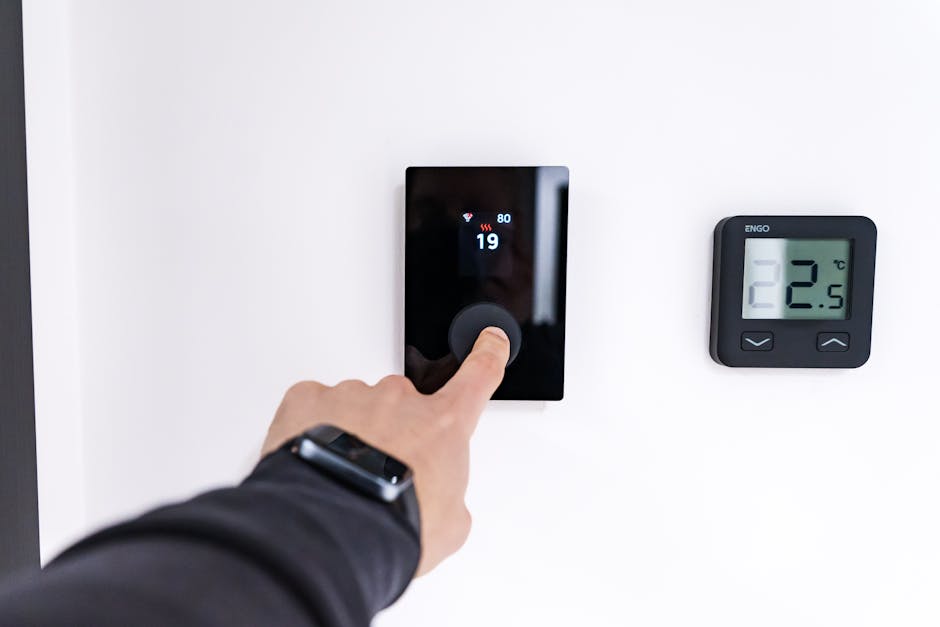
A furnace that struggles to keep up or won’t turn on when temperatures plummet is often dealing with increased strain. Sometimes, simple fixes like checking the thermostat’s battery or ensuring the furnace’s power switch (often near the unit on a wall) is in the “on” position can resolve the problem. Also, verify that registers aren’t blocked by furniture, impeding airflow.
However, if these basic checks don’t work, don’t keep trying to reset the system. Continuous attempts can exacerbate an underlying issue, potentially causing more damage. For instance, a cracked heat exchanger can leak carbon monoxide, a silent killer. This is when professional insight becomes invaluable. Neil Henderson, who writes for Parkside Plumbing & HVAC, notes that “many homeowners try to fix complex issues themselves, but specialized tools and diagnostic expertise are often needed for safe and lasting repairs. It’s a smart investment to call a professional for anything beyond a simple filter change or thermostat check.”
While some issues, like a dirty filter, might be DIY-friendly, others absolutely require a certified technician. Gas line issues, electrical problems within the unit, or complex component failures are not for the inexperienced. Trying to fix these yourself could be dangerous and void warranties. If your furnace is frequently failing or showing concerning symptoms, it might be time to consider professional HVAC maintenance or even exploring options for a new system.
How to prevent pipes from freezing when a furnace goes out?
To prevent pipes from freezing when your furnace goes out, immediately open cabinet doors under sinks to expose pipes to warmer room air. Allow faucets to drip slowly, especially those on exterior walls, to relieve pressure and keep water moving. Disconnect outdoor hoses, and if you plan to be away for an extended period, consider shutting off the main water supply and draining your pipes to prevent bursting.
When the furnace dies, your primary concern quickly shifts from comfort to protecting your home’s vital systems. Frozen pipes can burst, leading to catastrophic water damage and expensive plumbing repairs. Acting quickly can make all the difference.
“Exposing pipes to indoor heat, letting faucets drip, and insulating vulnerable areas are crucial steps to prevent pipes from freezing when heating systems fail, particularly in unheated spaces like basements or crawl spaces where temperatures drop rapidly.”
Realistic Timelines and What to Expect After a Repair
Once you’ve called Parkside Plumbing & HVAC, our goal is to restore your heat as quickly and efficiently as possible. For common issues like a dirty flame sensor, a clogged condensate line, or a minor electrical fault, repairs might take just an hour or two. However, if a major component like the heat exchanger or blower motor needs replacement, or if we have to order a specific part, it could take longer. We’ll always provide a clear diagnosis and an honest estimate of the repair time and cost. We’re committed to long-term reliability for your heating system.
Practical Tips for Furnace Care in Cold Weather
Consistent care makes a huge difference in your furnace’s performance and longevity. Here are some tips:
- Change Your Air Filter Regularly: At least every 1-3 months, especially during peak heating season. A clean filter improves efficiency and air quality.
- Keep Vents and Registers Clear: Ensure no furniture, rugs, or drapes are blocking your home’s air vents, allowing for proper airflow.
- Invest in a Programmable Thermostat: Set back temperatures when you’re away or asleep to save energy without sacrificing comfort.
- Schedule Annual Professional Maintenance: A yearly tune-up by a qualified technician can catch small problems before they become major breakdowns. This is one of the smartest investments you can make.
- Monitor for Carbon Monoxide: Install CO detectors on every level of your home, especially near sleeping areas, and test them regularly.
- Know Your Furnace’s Reset Button: Many furnaces have a reset button; consult your owner’s manual for its location and safe operating instructions before using it.
When your furnace goes out in cold weather, it’s more than an inconvenience; it’s a call to action. By understanding the common causes, performing basic troubleshooting, and knowing when to call on experienced professionals, you can protect your family and your home. Parkside Plumbing & HVAC is dedicated to providing swift, skilled handling for all your heating needs across Raleigh, NC. We’re here to ensure your home stays warm and safe, because one call covers it all, from electrical issues impacting your furnace to boiler services and more.