
There’s a specific kind of dread that settles in when a severe winter storm warning hits Raleigh. Beyond the inconvenience of snow and ice, many homeowners worry about something more insidious: frozen pipes. Burst pipes can unleash devastating water damage, creating a headache nobody wants. It’s not just the mess; it’s the disruption, the unexpected cost, and the potential for long-term problems like mold if not handled swiftly.
Here in Raleigh, while our winters aren’t as harsh as some northern states, temperatures can plummet unexpectedly. Those sudden cold snaps are often when we see the most trouble. Understanding how to protect your home’s plumbing is a smart investment in your peace of mind and your property’s integrity. At Parkside Plumbing & HVAC, we believe in proactive care, offering reliable professionals to help keep your home comfortable and safe, even when winter bites.
Preventing frozen pipes is far easier, and significantly less expensive, than dealing with the aftermath of a burst. By taking a few practical steps, you can significantly reduce your risk. We cover essential considerations for your home’s systems, including expert plumbing services that ensure your pipes are prepared for the cold.
Foundation: Understanding Why Pipes Freeze and Burst
Water expands when it freezes. It’s a basic scientific principle, but one that has serious implications for your home’s plumbing. As water turns to ice inside a pipe, it creates immense pressure, not just at the point of freezing, but between the ice blockage and the nearest closed faucet. This pressure is what causes the pipe to rupture, not the ice itself.
This expansion can exert thousands of pounds per square inch of pressure, far more than most pipes can withstand. According to the U.S. Geological Survey, water expands by about 9% when it freezes. This might seem small, but within the confines of a rigid pipe, that expansion force is a serious problem. It’s why acting early prevents costly damage.
“The primary cause of burst pipes isn’t the ice itself, but the pressure generated between the ice blockage and a closed faucet. Homeowners often underestimate this immense force until it’s too late.”
What To Look For: Signs Your Pipes Are at Risk
Even if you haven’t seen ice, there are clear indicators that your plumbing might be on the verge of freezing, or worse. Catching these early can save you a significant amount of stress and expense.
- **Reduced Water Flow:** If you turn on a faucet and only a trickle comes out, especially during a cold snap, it’s a major warning sign.
- **No Water At All:** This is a critical indicator of a completely frozen pipe.
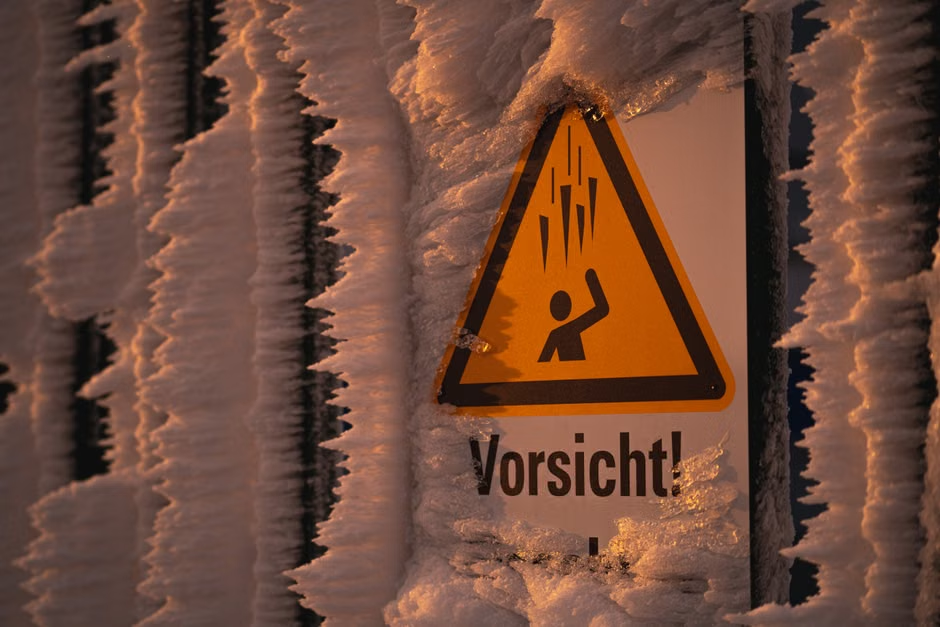
- **Visible Frost or Ice on Pipes:** Check pipes in unheated areas like basements, crawl spaces, or outside walls.
- **Unusual Odors from Drains:** While less common, a change in drain smell can sometimes indicate a slowdown in water movement or partial blockage exacerbated by cold.
- **Banging or Clanking Sounds:** Water trying to flow past an ice blockage can create strange noises within your walls.
- **Sagging Ceilings or Walls:** This is a sign a pipe has already burst and water is accumulating. Act immediately if you see this.
How to Keep Pipes From Freezing Without Heat
Keeping pipes from freezing without relying on a full home heating system requires strategic insulation and minimal water flow. Wrap exposed pipes with foam insulation, heat tape, or even old blankets, and open cabinet doors under sinks on exterior walls to allow warmer indoor air to circulate.
Sometimes you’re facing a situation where keeping the entire house warm just isn’t an option, or perhaps you have an unheated garage or crawl space. For these areas, focus on direct pipe protection. Our board-certified providers recommend specialized pipe sleeves or electrical heat tape. Even simple methods like wrapping pipes with newspapers or old towels, secured with duct tape, can provide a temporary buffer. We’ve seen these simple measures make a big difference in preventing costly drain and sewer line services from frozen blockages.
How to Keep Pipes From Freezing on Outside Walls
To keep pipes from freezing on outside walls, enhance insulation in the wall cavity itself and ensure no cold air drafts directly contact the pipes. Inside, open cabinet doors below sinks on exterior walls to expose the pipes to the home’s warmth, and consider adding foam insulation directly to these pipes.
Pipes running along exterior walls are especially vulnerable in Raleigh’s winter. Make sure any insulation in those walls is robust and doesn’t have gaps. If you have pipes in an unheated garage or utility room with an exterior wall, consider insulating that entire room or installing a small space heater on a low setting, ensuring it’s far from anything flammable. We often advise homeowners to check their outdoor faucets, making sure they’re drained and covered before the temperatures drop.
Will Shutting Off Water Keep Pipes From Freezing?
Shutting off your home’s main water supply can prevent extensive damage from a burst pipe, but it won’t stop the water *inside* the pipes from freezing. To fully protect pipes when the water is off, you must also drain the entire plumbing system by opening all faucets and flushing toilets.
This is a critical distinction. Simply turning off the main water valve at the street or inside your home will stop water from continuously flowing into a burst pipe, limiting flood damage. However, any water remaining in the pipes can still freeze and expand. For short periods, like a weekend away during a cold snap, turning off the main supply and keeping your heat on a low setting (at least 55°F) is often sufficient. For longer absences or severe winter storm warnings, draining the system completely provides the highest level of protection. This also includes your water heater; you’ll want to review your manufacturer’s guide or contact us for water heater and boiler services if you’re unsure how to properly winterize it.
When to Worry About Pipes Freezing
You should worry about pipes freezing any time outdoor temperatures are forecast to dip below 20°F, especially if winds are high or the cold spell lasts for several days. Homes with poor insulation, exposed pipes, or those that will be vacant are at higher risk. Consistent care is vital.
Raleigh winters can be deceptive. A single night below freezing might not be an issue, but sustained temperatures in the teens or single digits drastically increase the risk. Factors like wind chill can make even slightly warmer temperatures dangerous, as they accelerate heat loss from exposed pipes. Neil Henderson, who writes for Parkside Plumbing & HVAC, emphasizes that “a vigilant eye on the weather forecast and proactive steps based on your home’s specific vulnerabilities are your best defense.” If your home has had issues with freezing pipes before, or if you know you have vulnerable spots like crawl spaces, garages, or basements, those are the times to be most concerned. In our 20+ years of industry experience, we’ve learned that a smart investment in prevention always pays off.
“Exposed pipes are the most susceptible to freezing, particularly those in unheated areas like basements, crawl spaces, garages, and along exterior walls. Maintaining indoor temperatures above 55 degrees Fahrenheit during cold periods is a crucial preventative measure.”
Practical Steps to Take During a Winter Storm Warning
When a winter storm warning is issued for Raleigh, it’s time to put your prevention plan into action. Here are practical steps to take:
- **Insulate Exposed Pipes:** Focus on any pipes in unheated areas: basements, crawl spaces, attics, garages, and under sinks against exterior walls. Use foam pipe insulation, heat tape, or even thick blankets.
- **Open Cabinet Doors:** Under sinks, open cabinet doors to allow warmer air from your home to circulate around pipes on exterior walls.
- **Drip Faucets:** Choose a faucet furthest from your main water supply and allow both hot and cold water to drip slowly. A steady drip, not a stream, is enough to relieve pressure in the pipes and prevent freezing.
- **Keep Garage Doors Closed:** If you have water supply lines in your garage, keep the garage door closed, especially if it’s unheated.
- **Disconnect Garden Hoses:** Remove and drain all garden hoses from outdoor spigots. If your outdoor spigots aren’t frost-proof, shut off the interior valve leading to them and drain the exterior pipe.
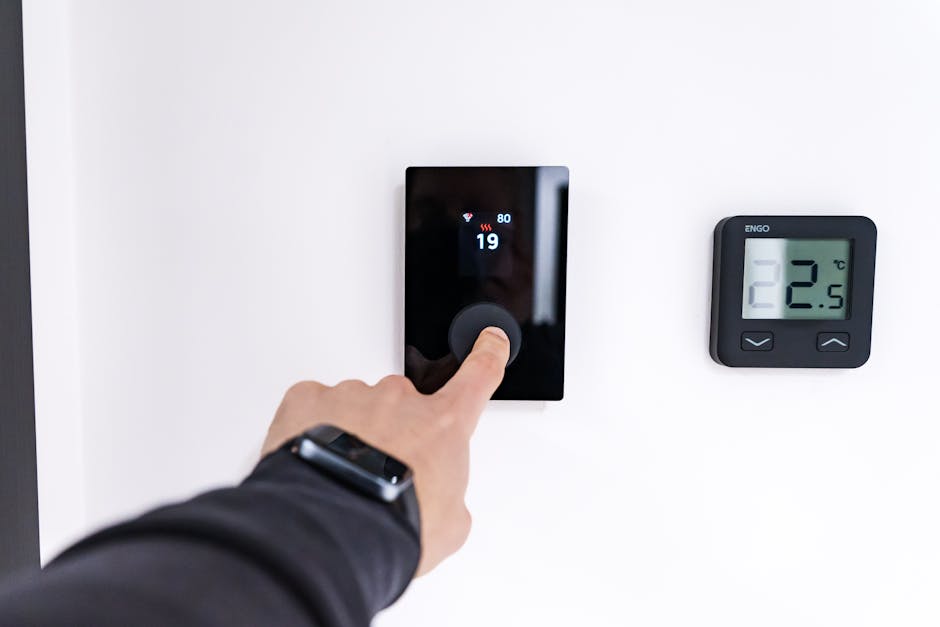
- **Maintain Indoor Temperature:** Keep your thermostat set to at least 55°F, even if you’re leaving home for a short period. This small cost is nothing compared to repairing burst pipes.
What to Expect If a Pipe Freezes (and What to Do)
If you suspect a pipe has frozen, don’t panic. The first step is to locate the frozen section. This often means reduced or no water flow from a specific faucet. If you can see the pipe and it’s not burst, you might be able to thaw it yourself. Use a hairdryer, heating pad, or towels soaked in hot water, applied directly to the frozen section. Never use an open flame or high-heat devices, as this can damage pipes or cause fires.
Thawing usually takes time, and results aren’t instant. If water doesn’t resume flowing after a reasonable attempt (say, 30-60 minutes) or if you can’t locate the frozen section, it’s time to call in the professionals. We have the tools and expertise for skilled handling of stubborn frozen pipes and can diagnose if a burst has occurred in a hidden location. If a pipe has already burst, immediately shut off your home’s main water supply and then call for emergency service. While you can attempt to prevent some damage yourself, as discussed in our article about professional drain cleaning vs. DIY solutions, when it comes to a burst pipe, professional intervention is always the safest bet.
Don’t let winter weather catch you off guard. Taking these proactive steps can protect your Raleigh home from significant damage and give you peace of mind. Keeping your home comfortable and safe is our priority, and a little preparation goes a long way. When you need help with your plumbing, heating, or any home system, remember that one call covers it all. Our team is here to ensure long-term reliability for your property.