
When a winter storm warning shows up in the Raleigh forecast, the last thing you want is to discover your furnace hasn’t run since spring. Most heating failures happen during the season’s first hard freeze — precisely when demand is highest and technicians are busiest. A few hours of fall maintenance now is one of the smartest investments you can make before winter settles in.
Raleigh winters have a way of catching homeowners off guard. Mild October days give way quickly to a winter weather advisory, and before long a legitimate winter storm has the Triangle in a deep freeze. In over 20 years of HVAC service in this area, we’ve seen it play out the same way: furnaces that sat idle all summer tend to surface problems on the coldest night of the year.
This guide covers what to inspect, clean, and replace before temperatures drop — and when to bring in skilled professionals for the work that matters most. Our team handles full HVAC services in Raleigh to cover every step of your fall furnace prep, but understanding the process helps you act early and stay ahead of the season no matter what.
What Should You Do to Your Furnace Before Winter?
Schedule a professional furnace inspection, replace the air filter, test your thermostat, clear vents and registers of obstructions, and check your carbon monoxide detectors. These five steps — completed in September or October — catch the majority of furnace problems before they become emergencies during a winter storm watch.
The air filter is the first place to start. A clogged filter restricts airflow, forces the system to work harder, and can trigger overheating shutdowns mid-cycle. Standard 1-inch filters need replacement every one to three months during heating season. If yours looks grey or visibly compacted, swap it before the first run.
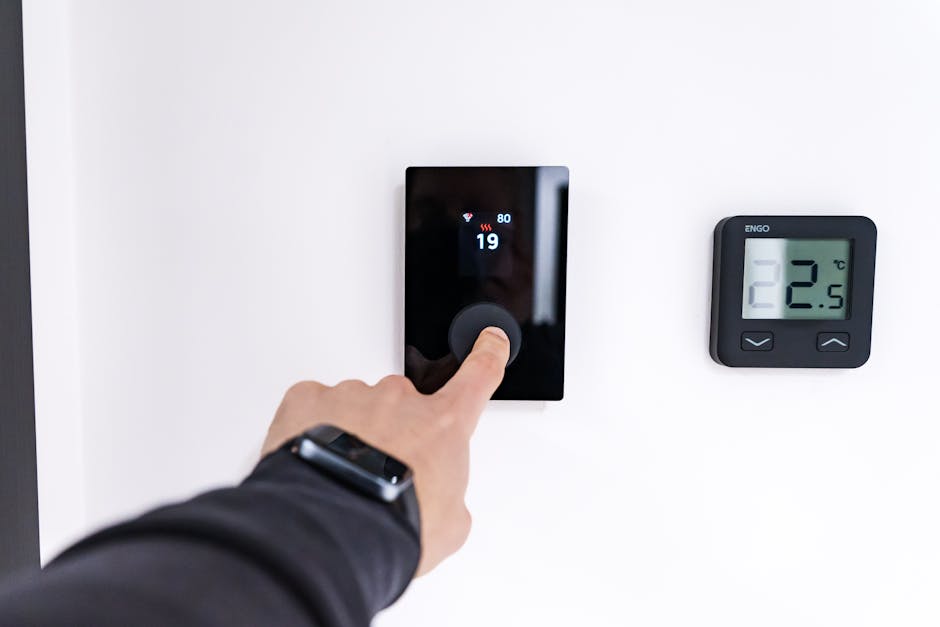
Walk every room and confirm supply vents and return registers aren’t blocked by furniture, rugs, or drapes. Restricted airflow is a frequent cause of uneven heating and unnecessary system strain. Then test your thermostat by switching it to heat mode and setting it above the current room temperature — the furnace should kick on within a minute or two. No response points to a thermostat, wiring, or furnace issue worth investigating now rather than in January.
Carbon monoxide is the hazard most homeowners underestimate. A cracked heat exchanger — invisible without professional inspection — can allow combustion gases into your living space. According to the Centers for Disease Control and Prevention, CO poisoning from home heating systems sends thousands of Americans to emergency rooms each year, with the danger peaking during winter when homes are sealed tight against the cold.
“Carbon monoxide is called the invisible killer because it’s colorless and odorless. Heating equipment that hasn’t been properly serviced is among the leading sources of CO exposure in homes during winter months.”
What to Do Before Turning On a Furnace in Winter?
Before running your furnace for the first time each heating season, replace the air filter, inspect the area around the unit for stored flammables, verify the flue or exhaust pipe is clear of debris or animal nests, and test your carbon monoxide and smoke detectors. Run the system briefly and listen for unusual sounds before temperatures drop in earnest.
Flue blockages are more common than most homeowners realize. Birds, squirrels, and wasps build nests in exhaust vents while a furnace sits idle through spring and summer. A blocked flue can cause back-drafting of CO into the home or trigger a safety shutoff mid-season. Before the first run, check the exterior vent termination and clear any visible obstruction.
Work through this checklist before flipping the switch for the season:
- Replace the air filter — 1-inch filters every one to three months, 4-inch media filters every six to twelve months
- Clear a 3-foot radius around the furnace of any stored boxes, flammables, or clutter
- Inspect the flue and exhaust vent for nests, debris, or visible damage
- Test CO and smoke detectors and replace batteries as needed
- Confirm all supply registers and return vents are open and unobstructed
- Run the system briefly and listen for banging, rattling, or squealing
- Check the condensate drain line on high-efficiency systems for clogs
A faint burning smell in the first minutes of operation is usually just dust burning off coils that sat idle all summer — that’s normal and clears quickly. Persistent odors, metallic smells, or any yellow or orange burner flames are different. Those indicate a problem that needs professional attention before you run the system further.
How Many Hours Per Day Should My Furnace Run in Winter?
A properly sized furnace in a well-insulated home typically runs 10 to 15 hours per day during cold weather, cycling on and off in 10-to-15-minute intervals. Running fewer than 8 hours a day usually means mild temperatures or excellent insulation. Running more than 16 hours — or cycling on and off every few minutes — signals a problem worth diagnosing.
Short cycling is one of the most common complaints we see in Raleigh during winter. It happens when the system reaches the thermostat setpoint, shuts off, then restarts within minutes. The cause is usually an oversized furnace, a clogged filter restricting airflow, or a thermostat mounted near a vent or exterior wall where it reads false temperatures.
During a genuine winter storm, expect your furnace to run longer than usual. That’s the system working against a larger temperature differential — normal behavior. The concern is when it can’t maintain the setpoint even running continuously. A system that falls short on a cold night may have a failing heat exchanger, deteriorating burners, or ductwork leaks losing conditioned air before it reaches living spaces.
What Is the $5000 Rule for HVAC?
The $5000 rule is a practical decision-making guideline: multiply the cost of the proposed repair by the age of your system in years. If the result exceeds $5,000, replacement is generally the smarter long-term investment. A $400 repair on a 10-year-old furnace works out to $4,000 — probably worth it. A $700 repair on a 15-year-old unit works out to $10,500 — likely not.
Most gas furnaces have a service life of 15 to 20 years with consistent maintenance. If yours is approaching that range and facing a major repair — heat exchanger replacement, inducer motor failure, cracked manifold — the math usually favors a new unit. Modern high-efficiency furnaces operate at 95% or better AFUE, meaning nearly all fuel burned converts to usable heat. Forbes and other home improvement sources consistently note that upgrading an aging, inefficient furnace pays back in reduced energy costs within three to five years.
“When an HVAC system is more than 15 years old and facing a significant repair, replacement often makes more financial sense. Newer equipment offers substantially better efficiency, reliability, and features that translate to real long-term savings.”
This is where long-term relationships with homeowners matter. When a system hits the repair-or-replace threshold, we give a straight answer — not a push toward whichever option is more lucrative. Long-term reliability for your home is always the goal. If your water heater is aging alongside your furnace, our water heater and boiler services include the same honest assessment — so you can plan replacements on your timeline, not in response to a failure.
Signs Your Furnace Needs Attention Before the Season Starts
Don’t wait for a complete breakdown to schedule a service call. Any of the following symptoms, caught now in fall, are far easier and less expensive to address than mid-winter emergencies during a winter weather advisory:
- Banging or rattling on startup — often a loose panel, damaged blower wheel, or expanding ductwork
- Yellow or orange burner flames instead of steady blue — a potential indicator of incomplete combustion or a cracked heat exchanger
- Unusually high energy bills in the first weeks after turning on the heat — a sign of significant efficiency loss
- Uneven heating across rooms — some areas cold, others warm — pointing to duct, blower, or zoning issues
- Frequent on/off cycling before reaching the set temperature — short cycling wears components and wastes fuel
- Visible rust or soot near the furnace cabinet or vent connections
Neil Henderson, who covers home systems for Parkside Plumbing & HVAC, notes that problems caught in an October diagnostic are almost always simpler and cheaper to fix than the emergency calls that come in during the coldest weeks of January. Act early. It’s consistently the smarter call.
Furnace maintenance is one part of the winter preparation picture. Frozen pipes are a separate — and equally serious — risk when temperatures fall hard and fast. Our plumbing services include winterization for vulnerable supply lines, outdoor faucets, and crawl space piping, so your whole system is ready for winter, not just the heating equipment.
Your electrical system plays a supporting role in winter reliability too. An aging panel or overloaded circuit can cause a furnace control board, igniter, or thermostat to fail unexpectedly. Our team handling electrical services in Raleigh can inspect panel capacity and wiring condition as part of a broader seasonal readiness visit. And for the smaller jobs that tend to pile up before cold weather — weatherstripping, caulking, minor door and trim repairs that let cold air slip through — our handyman services handle those without requiring a separate contractor. One call covers it all, which saves real time when you’re preparing a home before the season turns.
Getting ahead of winter means more than watching the forecast. A well-maintained furnace doesn’t just keep your home comfortable when a winter storm warning is in effect — it runs more efficiently, lasts longer, and gives you one less thing to worry about throughout the season. Schedule your fall furnace inspection before the first hard freeze arrives, address any issues while there’s still time to do it right, and head into winter with confidence that your home is ready for whatever the weather brings.