
As the chill of winter descends upon Raleigh, homeowners often face a silent threat that can cause extensive damage and disruption: burst water pipes. A sudden drop in temperature, especially during a severe winter storm warning, can quickly turn a normal plumbing system into a costly emergency. The frustration of dealing with a flood, the repair bills, and the sheer inconvenience is a pain point we understand deeply. It’s not just about cold weather; it’s about the expansion of water as it freezes, creating immense pressure within your pipes.
Preventing burst pipes isn’t just about luck; it’s about proactive preparation and understanding the risks specific to our climate here in North Carolina. Freezing temperatures put immense stress on your home’s infrastructure, particularly pipes in unheated areas like crawl spaces, attics, and exterior walls. Knowing how to prepare can save you significant time, money, and stress when the mercury plunges.
At Parkside Plumbing & HVAC, we’ve seen firsthand the aftermath of burst pipes, and we’re dedicated to helping our neighbors in Raleigh avoid such disasters. We believe that consistent care and smart investments in home maintenance are key to long-term reliability. By following simple steps, you can significantly reduce your risk. We covered some related strategies in our guide to frozen pipe prevention during winter, and this post will dive even deeper into specific actions you can take.
What Exactly Causes a Pipe to Burst?
A common misconception is that pipes burst because ice expands outward. While ice does expand, it’s not the expanding ice itself that typically causes the pipe to burst at the point of freezing. Instead, it’s the pressure build-up between the freezing block and the closed faucet. As water freezes, it forms ice blockages that can create an enormous amount of hydraulic pressure on the water still flowing behind the blockage, forcing it against a closed valve or faucet. This pressure can reach upwards of 2,000 to 3,000 pounds per square inch, far more than most residential plumbing can withstand.
“When water freezes, it expands by about 9%. This expansion can create pressure of over 2,000 pounds per square inch within a pipe. It’s this tremendous pressure, not the ice itself, that typically causes pipes to rupture.”
This explains why the rupture often occurs in a section of the pipe far from where the ice blockage actually forms. Keeping your home comfortable and the water moving are key defense strategies.
How to make sure pipes don’t burst in winter?
To prevent pipes from bursting in winter, insulate exposed pipes, keep your home consistently warm, and allow faucets to drip slightly during extreme cold. Disconnecting garden hoses and shutting off outdoor water supplies are also crucial steps. These actions help prevent water from freezing and building up dangerous pressure within your plumbing system.
We’ve learned over our 20+ years of industry experience that early intervention and preventive measures are always more cost-effective than emergency repairs. Insulating pipes in unheated areas like crawl spaces, basements, and attics is a smart investment. You can use foam pipe sleeves, heat tape, or even old towels and newspapers in a pinch for temporary protection. Don’t forget the pipes that run along outside walls; these are often the first to freeze.
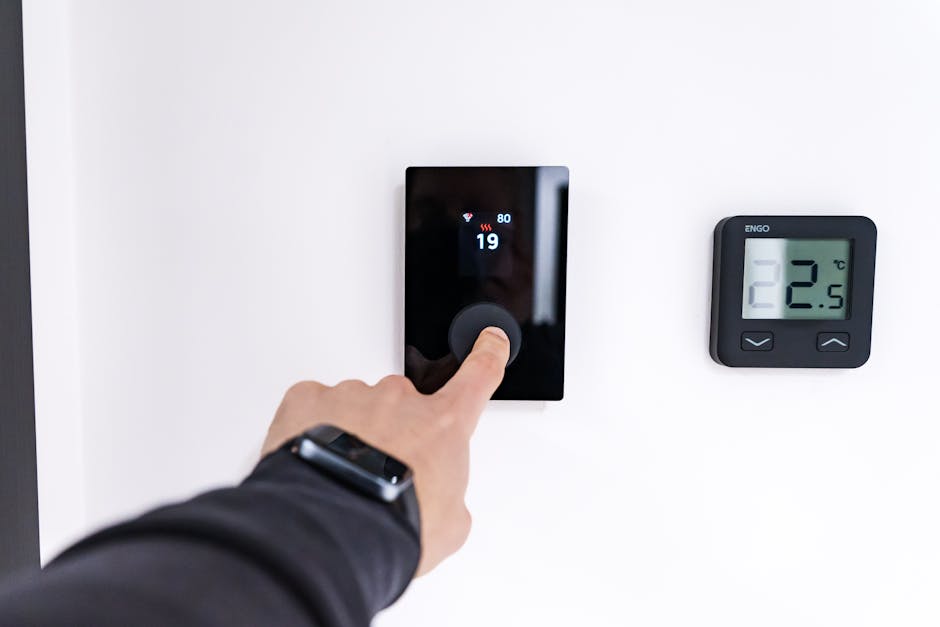
Maintaining a consistent indoor temperature, even when you’re away, is also vital. While it might seem like a way to save on heating bills, turning your thermostat too low can put your entire plumbing system at risk. Consider setting your thermostat no lower than 55°F (13°C) when you’re not home, especially during a winter storm watch.
What temperature will pipes burst at in winter?
While water freezes at 32°F (0°C), pipes typically won’t burst immediately at this temperature. The risk increases significantly when outdoor temperatures drop to 20°F (-6.7°C) or below and remain there for several hours. Factors like pipe insulation, exposure to cold, and water flow heavily influence the exact bursting temperature for a specific pipe.
It’s not just the temperature, but the duration of exposure to freezing conditions that really matters. A short dip below freezing might not cause issues if your home is well-insulated and heated. However, prolonged exposure, particularly overnight, allows enough time for stagnant water in uninsulated pipes to freeze solid and create those dangerous pressure blocks. This is why a winter storm warning signals a need for immediate action.
Areas of your home that aren’t heated directly, such as garages, crawl spaces, and even utility rooms with exterior walls, are most vulnerable. Even pipes running through cabinets on exterior walls can be at risk, especially if the cabinet doors are kept closed, blocking warm air from reaching them. Opening those cabinet doors during a severe cold snap is a simple, effective trick.
How many faucets should you drip during a freeze?
During a freeze, you should drip both hot and cold water from at least two faucets: one on an upper floor and one on a lower floor, preferably those most susceptible to freezing (e.g., on an outside wall). A slow, steady drip, not a stream, is sufficient to keep water moving and prevent pressure buildup in the pipes.
The goal of dripping faucets isn’t to prevent the water from freezing entirely—a drip can still freeze—but to relieve the pressure that builds up between a frozen blockage and the closed faucet. By allowing water to escape, you prevent that hydraulic pressure from building to a critical level. As Neil Henderson, who writes for Parkside Plumbing & HVAC, emphasizes, “It’s all about maintaining flow and relieving pressure. A continuous drip allows any expanding ice to push water out rather than bursting the pipe.”
When selecting which faucets to drip, prioritize those that are on exterior walls or in areas of your home that typically get colder. In Raleigh, we often find that pipes running through unheated crawl spaces are particularly vulnerable. If you have an outdoor spigot that hasn’t been properly winterized, it’s also a good idea to ensure the interior shut-off valve is closed and the spigot itself is drained.
How to keep pipes from freezing without heat?
Keeping pipes from freezing without heat requires specific actions, primarily focusing on insulation and water drainage. You’ll need to drain your water system if leaving for an extended period, insulate all exposed pipes, and open cabinet doors to allow ambient room temperature to reach pipes in walls. For specific vulnerable areas, heat tape can provide targeted warmth.
While maintaining some heat is always the best defense, sometimes it’s not an option, especially for vacation homes or detached garages. In such cases, draining your plumbing system is your most reliable safeguard. This involves shutting off the main water supply, then opening all faucets (hot and cold) and flushing all toilets to remove as much water as possible from the pipes. Remember to also drain your water heater as we explain in our Water Heater & Boiler Services details.
For pipes that cannot be drained, such as those supplying a washing machine in an unheated garage, heat tape with a thermostat can be a highly effective solution. This electrical tape warms the pipe as needed. Just be sure to follow manufacturer instructions for safe installation to prevent fire hazards. In our practice, we’ve seen these tools make a significant difference in preventing bursts.
What To Look For: Signs Your Pipes Might Be Freezing
Recognizing the early warning signs of freezing pipes can help you act quickly before a burst occurs. Acting early prevents costly damage and keeps your home comfortable.
- **Reduced Water Flow:** If you turn on a faucet and only a trickle comes out, or no water at all, it’s a strong indicator of a frozen pipe.
- **Frost on Pipes:** Visible frost on the exterior of an exposed pipe, especially in a basement, crawl space, or utility room, confirms it’s freezing.
- **Strange Odors from Drains:** Frozen pipes can sometimes trap odors. If you notice unusual smells emanating from your drains, it could be a sign of a blockage in the drain lines.
- **Unusual Sounds:** Although less common, you might hear faint gurgling or bubbling sounds if water is trying to push past an ice blockage.
- **A Sudden Drop in Water Pressure:** This can be an early sign that water flow is being restricted somewhere in your system.
If you recognize these symptoms, servicing is recommended immediately. Every moment counts in preventing a full-blown plumbing emergency. For severe issues like a burst water pipe, we also have a guide on fast response steps for emergencies.
Suitability and Alternatives: When to Call a Pro vs. DIY
Many simple preventative steps for burst pipes can be handled by homeowners. Insulating exposed pipes, dripping faucets, and adjusting your thermostat are all practical DIY tasks. However, some situations absolutely call for skilled handling by reliable professionals.
If you suspect a pipe is frozen but hasn’t burst, you might try thawing it gently with a hairdryer, heating pad, or towels soaked in hot water. Always start thawing from the faucet end and work your way back, as this allows water to escape as the ice melts. Never use an open flame or high-heat devices, as this can damage pipes or cause a fire. If you can’t locate the frozen section, it’s in a wall, or you’re simply uncomfortable tackling it, that’s when it’s time to call us.
“While minor pipe thawing can be a DIY task, attempting to thaw a pipe that’s located behind a wall, or a pipe that is already leaking, should be left to a licensed plumber to prevent further damage or potential electrical hazards.”
If a pipe has already burst, shut off your main water supply immediately and call for emergency plumbing services. Do not try to thaw a burst pipe yourself, as this can worsen the water damage. We provide comprehensive plumbing services for just these types of situations, offering one-call convenience for any water-related issue in your home.
What to Expect After Taking Prevention Steps
Once you’ve implemented burst pipe prevention measures, you can expect significantly reduced stress during Raleigh’s colder months. Your heating system will likely run more efficiently, your water will flow reliably, and your home will be better protected against unexpected winter emergencies. These aren’t just temporary fixes; they’re investments in your home’s long-term reliability.
With proper insulation and consistent indoor temperatures, you should find that your pipes remain free of ice, even during extended periods below freezing. If you’ve chosen to drip faucets, you’ll still have water flow, preventing pressure buildup. While no system is 100% immune to extreme, unforeseen circumstances, these steps dramatically shift the odds in your favor. You’re buying peace of mind, knowing that you’ve done your part to protect your property and avoid the headache of water restoration.
Practical Tips for Winter Storm Readiness
Being prepared for a winter storm warning goes beyond just pipes. Here are some practical tips to keep your entire home safe and sound:
- **Insulate & Seal:** Check all exterior walls, basements, and attics for air leaks. Seal gaps around windows, doors, and utility penetrations with caulk or weatherstripping. This not only protects pipes but also improves overall home energy efficiency.
- **Disconnect Hoses:** Remove all garden hoses from outdoor spigots. Drain and store them properly. If you leave them connected, water trapped in the hose can freeze and expand back into the spigot, causing it to burst.
- **Know Your Main Water Shut-Off:** Make sure every adult in your home knows where the main water shut-off valve is located and how to operate it. This is crucial for limiting damage if a pipe does burst.
- **Open Cabinet Doors:** For pipes located in cabinets on exterior walls (e.g., under kitchen or bathroom sinks), open the cabinet doors during severe cold spells. This allows warmer indoor air to circulate around the pipes.
- **Insulate Water Heaters:** While water heaters themselves generate heat, insulating older models can improve efficiency and protect supply lines in colder utility spaces.
- **Consider a Professional Check-up:** Before winter really sets in, consider scheduling a comprehensive plumbing inspection. Our experts can identify vulnerabilities you might miss and suggest tailored solutions for your home.
Taking these steps creates a strong defense against the harsh realities of winter. A smart investment now can prevent a major crisis later.
Protecting your home from burst water pipes during Raleigh’s winter months is a critical part of homeownership. By understanding the risks, taking proactive steps, and knowing when to call for professional help, you can ensure your plumbing system remains intact and your home stays comfortable and dry. We’re here to offer reliable professionals and skilled handling for all your plumbing needs, making sure one call covers it all when you need us most.