
There’s hardly anything more alarming for a homeowner than the sudden, frantic sound of water escaping where it shouldn’t. A burst water pipe isn’t just an inconvenience; it’s a rapidly escalating crisis that can cause significant damage to your home, valuables, and even its structural integrity. The sheer volume of water released can turn a calm evening into a stressful clean-up effort in minutes.
The good news is that swift action can minimize the impact. Understanding what to do immediately and having a reliable plan in place can make all the difference when disaster strikes. We’re here to guide you through the initial chaos, help you understand the risks, and provide practical steps to protect your property.
At Parkside Plumbing & HVAC, we understand the urgency and stress a burst pipe brings to Raleigh homeowners. With over 20 years of industry experience across plumbing, heating, cooling, and related home systems, we’ve seen it all. Our goal isn’t just to fix the problem; it’s to provide the consistent care and smart investment solutions that keep your home safe and dry, offering dependable plumbing services for any challenge.
What Exactly Is a Burst Water Pipe and Why Does It Happen?
A burst water pipe occurs when a section of your plumbing system fails, creating an opening from which water flows uncontrollably. This failure is most commonly caused by freezing temperatures, which cause water inside pipes to expand, leading to excessive pressure that pipes can’t withstand. However, corrosion, high water pressure, and even ground shifts can also contribute to pipe bursts, especially in older homes.
The primary culprit in colder climates like ours, though, is undeniably freezing water. When water freezes, it expands by about 9% in volume. This expansion creates immense pressure within a confined pipe. According to the American Red Cross, a pipe does not even need to be completely frozen to burst; pressure can build between a faucet and an ice block.
“Water expands as it freezes, and this expansion inside pipes can generate over 2,000 pounds per square inch of pressure, easily enough to rupture almost any pipe.”
What to Do Immediately After a Pipe Bursts?
The moment you realize you have a burst pipe, act fast. Your immediate steps should focus on stopping the water flow to prevent further damage and ensuring safety. This typically involves locating and shutting off your main water supply and, if possible, cutting off power to affected areas.
Here’s a step-by-step guide for your first response:
- Shut Off the Main Water Supply: This is the single most critical step. Locate your main water shut-off valve, usually found where the main water line enters your house, often in the basement, crawl space, near your water heater, or outside by your meter. Turning this off stops all water flow into your home, halting the leak.
- Turn Off Electricity: If water is near electrical outlets, appliances, or fixtures, immediately turn off the power to the affected area at your main electrical panel to prevent electrocution hazards. For general electrical concerns, our team also provides expert electrical services.
- Document the Damage: Use your phone to take photos and videos of the damage as soon as it’s safe to do so. This documentation will be crucial for your insurance claim later.
- Drain Remaining Water: Open all faucets (both hot and cold) to help drain any remaining water from the system. This reduces pressure and helps prevent further freezing if the burst was cold-related. Flush toilets until the tanks are empty.
- Start Water Removal: If you can safely do so, begin removing standing water using buckets, mops, or a wet/dry vacuum. The faster you remove water, the less chance it has to cause long-term damage like mold or structural issues.
What Are the Warning Signs of a Developing Pipe Problem?
Sometimes, a pipe doesn’t burst all at once; it might give subtle clues that a problem is developing. Being aware of these indicators can help you intervene early, preventing a minor issue from becoming a catastrophic burst.
Look out for these common symptoms:
- Sudden Drop in Water Pressure: If your faucets or showerheads suddenly have significantly less pressure, it could indicate a leak or burst somewhere in the system.
- Discolored Water: Rusty or unusual-colored water might signal corrosion within your pipes, weakening them and making them more susceptible to bursting.
- Banging or Clanking Noises: Known as “water hammer,” these sounds can indicate loose pipes or pressure fluctuations that stress your plumbing.
- Musty Odors or Visible Mold: These are clear signs of excess moisture, often from a hidden leak within walls or under floors.
- Water Stains on Walls or Ceilings: Brown or yellow spots appearing on your surfaces are definite indicators of water intrusion.
- Higher Water Bills: An unexplained spike in your water bill often points to a continuous leak.
- Puddles or Wet Spots: Any unexpected dampness or standing water around appliances like your water heater or in your yard could mean a pipe has failed.
What Temperature Should I Keep My House At to Stop Pipes From Bursting?
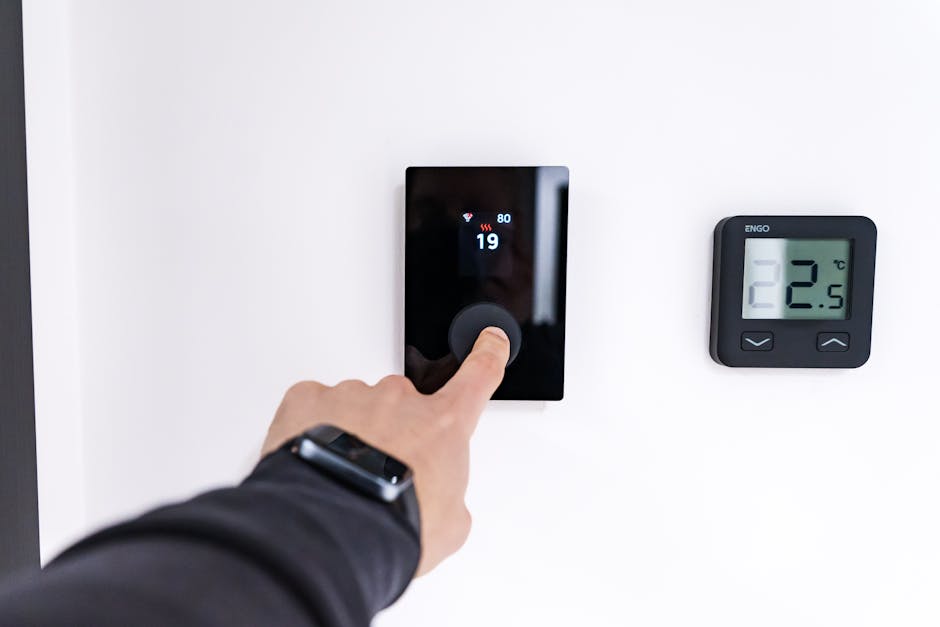
To effectively prevent pipes from freezing and bursting, especially during cold snaps, we recommend keeping your home’s thermostat set to at least 55 degrees Fahrenheit (13 degrees Celsius), even when you’re away. This minimum temperature helps maintain enough warmth within your walls and crawl spaces to keep pipes above freezing point.
This recommendation isn’t just about comfort; it’s a smart investment in protecting your plumbing infrastructure. While 55 degrees F is a good baseline, for homes with exposed pipes, in extremely cold conditions, or when you’re going to be away for an extended period, it’s safer to keep the thermostat even higher, perhaps in the low 60s. Remember, colder temperatures mean pipes can freeze faster, particularly those in exterior walls or unheated basements. Consistent care, like proper insulation and maintaining a steady indoor temperature, helps ensure long-term reliability for your system.
How to Quickly Fix a Burst Pipe?
A true “quick fix” for a burst pipe is often a temporary measure to contain the leak until professional plumbers arrive. For significant bursts, attempting a full repair yourself is not recommended due to the specialized tools, materials, and expertise required to ensure a permanent, safe solution.
However, if it’s a small, accessible leak, you might apply a temporary clamp or pipe repair tape as an immediate stopgap. These temporary solutions are designed to slow or stop water flow for a short period. Neil Henderson, who writes for Parkside Plumbing & HVAC, a Raleigh-based service company with over 20 years of industry experience, emphasizes that even small leaks need skilled handling to prevent future recurrence. For any leak, big or small, a professional assessment is crucial to address the root cause and restore system integrity. For major emergencies involving extensive water, you’ll need professional drain and sewer line services to handle the aftermath effectively.
“While temporary pipe repair clamps or epoxy can provide a short-term solution for minor leaks, they are rarely permanent fixes. The underlying cause, such as corrosion or stress, needs professional attention to prevent recurrence and potential systemic failure.”
When to Call a Professional?
In almost all cases, a burst pipe requires professional attention. Here’s when you absolutely need to call us:
- Any significant burst: If water is spraying or gushing, don’t hesitate.
- Inaccessible pipes: If the burst pipe is behind a wall, under a floor, or in a crawl space you can’t easily reach.
- Suspected structural damage: If you notice bowing walls, sagging ceilings, or other structural concerns.
- Contaminated water: If the burst involves sewage lines or dirty water.
- No clear cause: If you can’t identify why the pipe burst, or if it’s a recurring issue.
- Beyond a temporary patch: If the leak is too large for a simple clamp, or if you want a reliable, long-term repair.
We’re equipped with the right diagnostic tools and expertise to pinpoint the problem, perform durable repairs, and advise on preventing future incidents. One call covers it all, whether it’s a plumbing emergency, handyman services for water damage repair, or regular HVAC maintenance.
What to Expect After the Burst Pipe is Fixed
Once the immediate crisis is averted and the pipe is repaired, the journey isn’t always over. You can expect a few stages of recovery. First, our reliable professionals will ensure the plumbing system is fully operational and leak-free. Then, attention often turns to water damage restoration.
The timeline for full recovery depends heavily on the extent of the water damage. Minor leaks might only require drying and minor repairs, taking a few days. More significant bursts, especially those affecting walls, flooring, and insulation, could necessitate several weeks for drying, mold remediation (if needed), and reconstruction. We’ll work with you to assess the damage, provide clear estimates, and help coordinate any further steps needed to return your home to its comfortable, pre-incident state. Our experience with specific problem-solution pairs means we understand the full scope of what’s needed after such an event.
Practical Tips for Preventing Burst Pipes
Preventing burst pipes is far easier and less costly than dealing with the aftermath. Here are some proactive steps Raleigh homeowners can take:
- Insulate Exposed Pipes: Pipes in unheated areas like crawl spaces, attics, or exterior walls are vulnerable. Use foam pipe insulation or heat tape to protect them, especially during winter.
- Seal Air Leaks: Caulk any cracks or openings in your home’s foundation and exterior walls, particularly near where pipes enter the house.
- Keep Cabinet Doors Open: During severe cold, open kitchen and bathroom cabinet doors to allow warmer room air to circulate around pipes under sinks.
- Drip Faucets: In freezing conditions, a slow drip from faucets can prevent pressure buildup in pipes, reducing the risk of bursting. Just a trickle is enough.
- Disconnect Hoses: Before winter, disconnect and drain garden hoses. Close indoor valves supplying outdoor spigots and drain the lines.
- Know Your Shut-Off Valve: Make sure everyone in your household knows where the main water shut-off valve is located and how to operate it. Test it periodically to ensure it’s not seized.
Proactive maintenance and early intervention are key components of our home maintenance philosophy. It’s about taking small, consistent steps to prevent costly damage. By adopting these habits, you’re making a smart investment in the long-term reliability and comfort of your home. If you’re unsure about your home’s vulnerability or need assistance with winterizing your plumbing, don’t hesitate to reach out to Parkside Plumbing & HVAC. We’re here to help keep your home comfortable and safe, no matter the season.