
Ever feel like your home is constantly demanding your attention? That drip under the sink, the flickering light, or the AC that just isn’t cooling like it used to? These little issues can quickly snowball into major headaches and costly repairs if left unchecked. We’ve all been there, pushing small tasks aside until they become urgent, stressful emergencies. But what if there was a way to stay ahead of these problems, ensuring your home systems run smoothly all year long?
That’s where a proactive approach to home maintenance comes in. It’s about spotting potential issues before they escalate, preserving your home’s value, and most importantly, keeping your family safe and comfortable. At Parkside Plumbing & HVAC, we understand the critical role consistent care plays in the long-term reliability of your property.
From Raleigh’s sweltering summers to its chilly winters, your home’s infrastructure works hard. Regular maintenance isn’t just a recommendation—it’s one of the smartest investments you can make, protecting everything from your HVAC systems to your plumbing. We’ve seen firsthand how acting early prevents costly damage, helping Raleigh homeowners avoid unexpected breakdowns.
What Is a Home Maintenance Checklist and Why Is It So Important?
A home maintenance checklist is a structured guide outlining routine inspections and tasks needed to keep a property in good working order. It helps homeowners track and address potential problems systematically, preventing minor issues from becoming expensive repairs and extending the lifespan of critical systems.
Think of it like a wellness plan for your house. Just as you’d schedule regular check-ups for your health, your home needs consistent attention to perform its best. A well-organized checklist helps you prioritize tasks, ensuring essential components like your heating, cooling, plumbing, and electrical systems receive the care they need. Neglecting these areas can lead to significant financial strain and even safety hazards down the line. According to Forbes, maintaining your home protects its value and prevents the expensive depreciation that often comes with deferred repairs. Forbes Home frequently highlights how proactive maintenance is key to long-term financial savings and property integrity.
Why Is an Annual Home Maintenance Checklist Critical?
An annual home maintenance checklist is critical because it ensures comprehensive evaluation and service of your home’s systems at least once a year, aligning with seasonal changes and manufacturer recommendations. This yearly overview helps catch issues that might develop slowly, offering a holistic picture of your home’s health.
We often find that homeowners underestimate the benefit of a yearly check. It’s not just about changing air filters (though that’s certainly important!). An annual review means thoroughly inspecting components that might only show wear and tear over a longer period. For instance, a small crack in a water heater’s pressure relief valve might go unnoticed during a quick monthly check but could be flagged during a detailed annual inspection. Our 20+ years of industry experience across Raleigh’s residential and commercial properties have shown us that consistent annual checks are vital for averting major system failures.
“Regular property maintenance can enhance a home’s longevity and value, safeguarding against depreciation caused by neglected repairs.”
What Are Common Home Maintenance Services?
Common home maintenance services encompass a wide range of tasks designed to ensure the safety, efficiency, and longevity of a property’s essential systems. These services typically include HVAC tune-ups, plumbing inspections, electrical safety checks, and general handyman repairs.
At Parkside Plumbing & HVAC, we pride ourselves on offering one-call convenience for many of these tasks. You don’t need to juggle multiple contractors when your home needs attention across different trades. For instance, our team can handle everything from diagnosing a persistent leak to performing an annual furnace inspection or upgrading outdated wiring. This multi-trade expertise means you get skilled handling and consistent care from professionals who understand how different home systems interact.
What to Look For During Routine Home Checks?
When you’re performing routine home checks, you’re looking for signs of wear, damage, or inefficiency that could indicate a developing problem. These symptoms often start subtly, but catching them early can save you from significant expense and inconvenience.
Here are some key things our technicians often advise Raleigh homeowners to watch for:
- **Water Leaks:** Check under sinks, around toilets, water heaters, and washing machines for any moisture, drips, or discoloration. Even a small leak can lead to mold or structural damage.
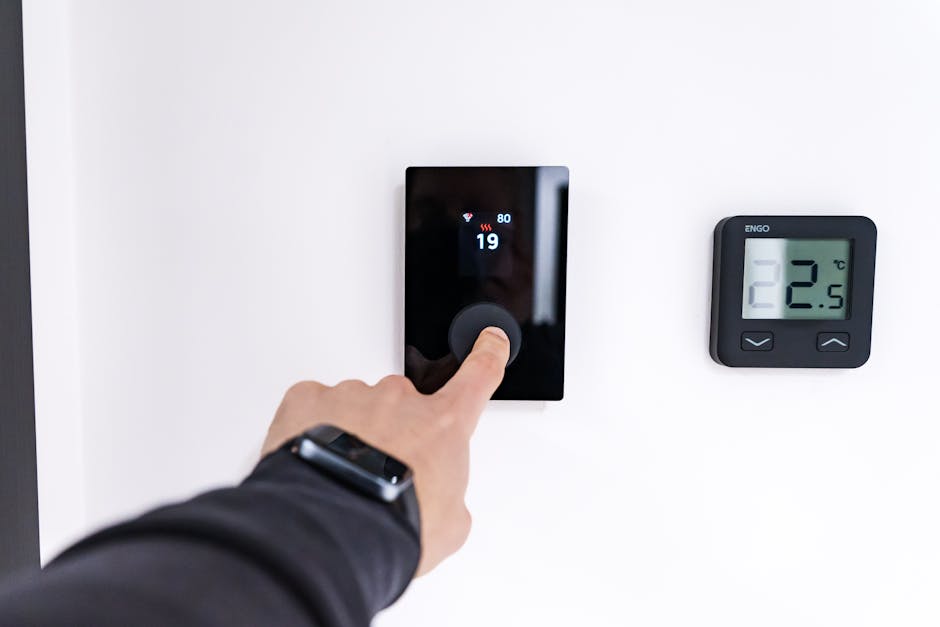
- **HVAC Performance:** Listen for unusual noises (grinding, banging), check for weak airflow, or notice if your thermostat settings aren’t matching room temperature. These can signal an inefficient or failing HVAC system.
- **Electrical Issues:** Flickering lights, warm outlets, burning smells, or frequently tripped breakers are serious warnings that indicate problems within your electrical systems and warrant immediate professional attention.
- **Drainage Problems:** Slow drains, recurring clogs, or foul odors from sinks and showers suggest blockages in your pipes.
- **Appliance Irregularities:** Any strange sounds, odors, or reduced efficiency from your refrigerator, dishwasher, or washing machine could mean internal issues.
- **Exterior Damage:** Cracked foundations, loose shingles, peeling paint, or blocked gutters can allow water intrusion and structural damage.
- **Water Heater & Boiler Health:** Look for rust-colored water, strange noises from the tank, or reduced hot water supply, which are common indicators of water heater or boiler issues.
Recognizing these symptoms allows us to intervene before minor issues become major breakdowns.
Choosing Between DIY and Professional Home Maintenance
Many basic home maintenance tasks are perfectly suited for the average homeowner. Things like cleaning gutters, replacing air filters, or checking smoke detector batteries are straightforward and don’t require specialized tools or training. You can certainly tackle these yourself, and it’s a great way to stay connected with your home’s needs.
However, when it comes to complex systems—especially those involving gas lines, high voltage electricity, or significant water pressure—professional help isn’t just recommended, it’s essential. Attempting to repair intricate electrical wiring, a malfunctioning furnace, or a compromised sewer line without the proper expertise can be dangerous and lead to more severe damage. For tasks like annual HVAC tune-ups, extensive plumbing repairs, or electrical panel upgrades, trust in professionals who carry the right certifications and insurance. We understand that some jobs are too small for us, and a general handyman might be perfect for that loose door handle or a minor drywall patch.
“For any home, consistent care of critical infrastructure like plumbing and HVAC systems is paramount, ensuring not just comfort but also the prevention of potential health hazards related to poor indoor air quality or water damage.”
Indeed, preventing mold and maintaining good indoor air quality is a significant benefit of proactive maintenance, as noted by organizations like the CDC. Ensuring your ventilation and plumbing are in good order directly impacts your family’s wellbeing.
What to Expect from a Consistent Maintenance Schedule
With a diligent home maintenance schedule, you’ll start to notice several benefits fairly quickly, and others will emerge over the long term. Initially, you’ll experience increased peace of mind, knowing that you’re actively preventing major failures. Your utility bills might also show modest reductions as systems operate more efficiently.
Within a year or two, you should see tangible results: fewer emergency repairs, extended lifespans for major appliances and systems, and a consistently comfortable indoor environment. Over five to ten years, the difference becomes dramatic. A well-maintained furnace or air conditioner can last years longer than a neglected one, delaying costly replacements. You’ll likely encounter fewer unexpected expenses and maintain higher property value. It’s not about immediate gratification, but steady, reliable performance and significant long-term savings.
Practical Tips for Your Annual Home Maintenance Checklist
Creating and sticking to an annual home maintenance checklist doesn’t have to be overwhelming. Here are some practical tips to help you stay on track:
- **Seasonal Grouping:** Organize tasks by season. Spring is great for exterior checks and AC prep, while fall is ideal for furnace inspections and winterizing. This aligns tasks with weather changes and makes them feel more manageable.
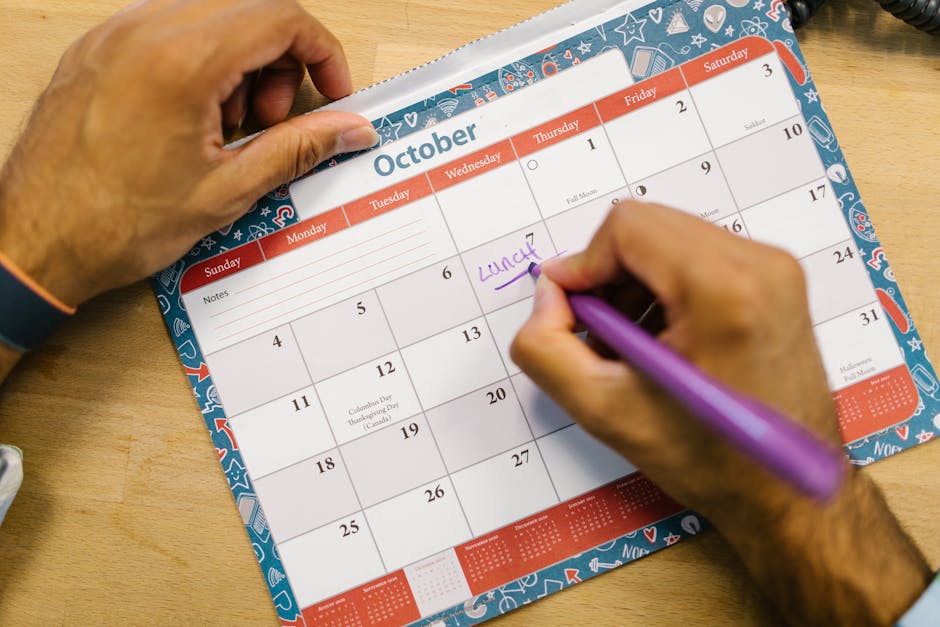
- **Digital Reminders:** Use your phone’s calendar, a dedicated app, or a simple spreadsheet to set recurring reminders for monthly, quarterly, and annual tasks. Consistency is key.
- **DIY vs. Professional List:** Separate your checklist into tasks you can confidently do yourself (like cleaning shower heads or checking appliance hoses) and those that require professional expertise (like yearly HVAC tune-ups or basic plumbing repairs).
- **Gather Your Tools:** Keep a basic home maintenance toolkit ready. This might include a screwdriver set, pliers, a wrench, a multimeter, and cleaning supplies for simple tasks.
- **Keep Records:** Maintain a log of all maintenance performed, including dates, who performed the work (you or a professional), and any parts replaced. This record is invaluable for troubleshooting and future reference, especially if you ever sell your home.
- **Inspect Regularly, Even Small Things:** Don’t wait for a problem to become obvious. Make it a habit to do quick visual checks on your systems, looking and listening for anything out of the ordinary.
Keeping a home or workplace running smoothly takes more than just equipment—it takes reliable professionals who understand comfort, efficiency, and long-term performance. We’re here to be your trusted partner for plumbing, HVAC, electrical, and handyman services across Raleigh, North Carolina. By embracing a systematic approach to home maintenance, you’re not just fixing problems; you’re investing in your home’s future, ensuring it remains a safe, comfortable, and valuable asset for years to come.