
Summer in Raleigh, North Carolina, brings warmth, sunshine, and often, scorching temperatures. There’s nothing quite as unsettling as walking into your home on a sweltering day only to discover your air conditioner has stopped working. The immediate concern shifts from daily comfort to simply managing the heat, especially when the mercury climbs steadily. We understand that losing your cooling system isn’t just an inconvenience; it can be a serious health concern, particularly for children, the elderly, or those with underlying health conditions.
This isn’t a problem that can wait. The good news is, you’re not alone, and there are concrete steps you can take to alleviate the immediate discomfort while we work to restore your system. Getting cool again fast involves a combination of temporary fixes and knowing when to call in the experts.
At Parkside Plumbing & HVAC, we’ve spent over 20 years keeping Raleigh homes comfortable and safe. We know the unique challenges our local climate presents, and we’re ready to help. If you’re experiencing an AC emergency, don’t hesitate to check our dedicated HVAC Services page for immediate assistance. We believe that consistent care and smart investments in your home systems lead to long-term reliability.
Foundation: What Is Air Conditioning and How Does It Work?
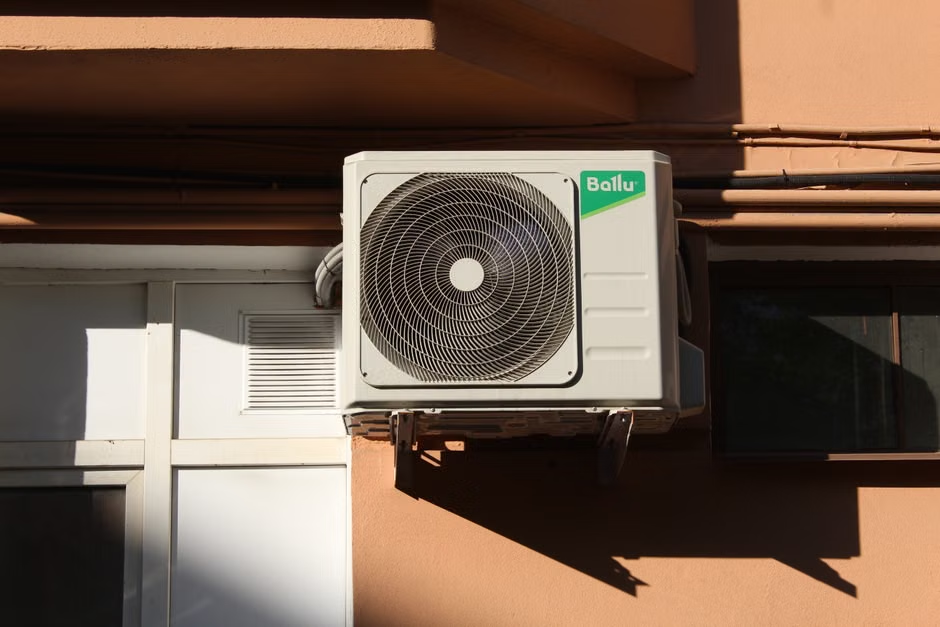
An air conditioner is a complex system designed to remove heat and humidity from your indoor air, replacing it with cooler, drier air. It doesn’t just blow cold air; it actively transfers heat from inside your home to outside. This process, known as the refrigeration cycle, relies on key components like the compressor, condenser coil, evaporator coil, and an expansion valve, all working together with a refrigerant. As Wikipedia explains, the indoor unit absorbs heat from the air, and the refrigerant carries that heat to the outdoor unit, where it’s released into the environment. This continuous cycle is what keeps your home cool and dry.
What are the Common Reasons an AC Might Stop Working?
When your AC goes out, it’s usually due to one of several common culprits. Sometimes it’s a simple fix, other times it signals a more serious issue requiring skilled handling. We’ve seen it all in our 20+ years of service in Raleigh.
Here are some of the most frequent reasons your AC might stop cooling:
- **Dirty Air Filter:** This is incredibly common. A clogged filter restricts airflow, making your system work harder and eventually causing it to freeze up or fail.
- **Refrigerant Leaks:** If your AC isn’t cooling effectively, you might have a refrigerant leak. This means less refrigerant is circulating, reducing the system’s ability to absorb heat.
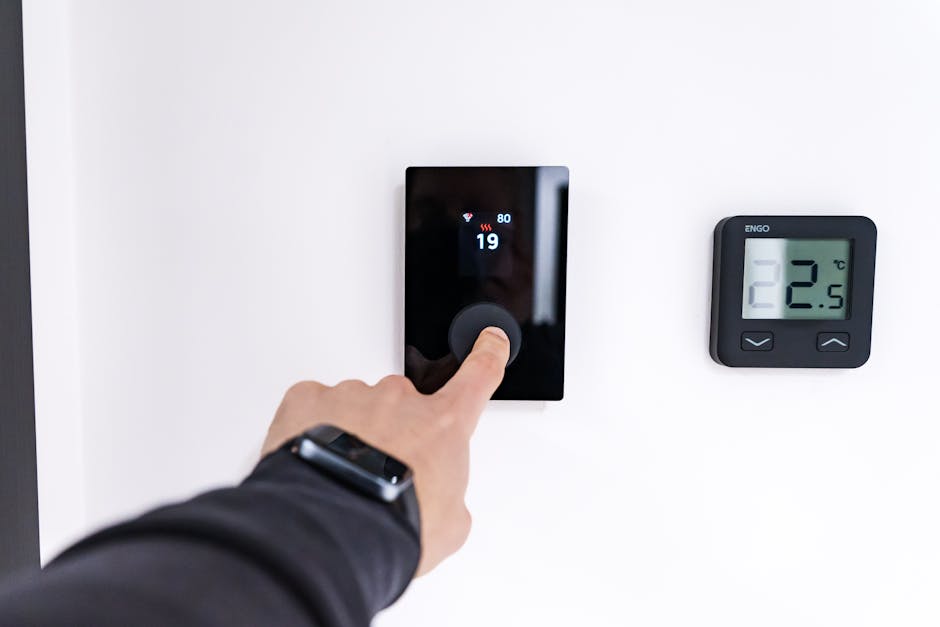
- **Thermostat Issues:** A faulty thermostat can send incorrect signals, or no signals at all, to your AC unit.
- **Frozen Evaporator Coil:** This often happens due to restricted airflow (like from a dirty filter) or low refrigerant, preventing the coil from absorbing heat.
- **Capacitor Failure:** Capacitors provide the initial electrical jolt to start the motors for the fan and compressor. If they fail, the unit won’t start.
- **Drain Line Clog:** The condensate drain line removes humidity. If it clogs, water can back up, triggering a safety shut-off in many units.
- **Electrical Problems:** Breakers can trip, wiring can fray, or fuses can blow, disrupting power to the unit.
What Should You Do When Your AC Goes Out?
When the air conditioning breaks in summer, your first thought is usually, “How do I cool down the house now?” Before panic sets in, take a few deep breaths and try these immediate steps to manage the heat and potentially identify the problem.
- **Check Your Thermostat:** Make sure it’s set to “cool” and the temperature is lower than the current room temperature. Check batteries if it’s a digital model. Sometimes, it’s that simple.
- **Inspect the Air Filter:** A dirty air filter is a leading cause of AC problems. Turn off your system, remove the filter, and if it’s clogged, replace it. This is a crucial part of air conditioner filter replacement, a common maintenance task.
- **Look for Tripped Breakers:** Head to your electrical panel. If a circuit breaker for your AC unit (indoor or outdoor) is tripped, switch it off completely, wait a minute, then flip it back on. If it trips again immediately, don’t keep resetting it; that indicates a deeper electrical issue. For comprehensive electrical services, we’re always here to help.
- **Clear the Area Around the Outdoor Unit:** Make sure there’s no debris, overgrown plants, or obstructions blocking the condenser unit outside. Good airflow is essential for proper heat dissipation.
- **Check for Frozen Coils:** If you hear odd noises or see ice on your indoor unit or refrigerant lines, turn the AC off completely. Let the ice melt, which can take several hours, before restarting. This gives the system a chance to thaw out.
After these initial checks, if your AC still isn’t working, it’s time to call in the professionals.
How to Cool Down Your House Without AC
When your AC unit is out of commission, keeping your home cool becomes a priority to maintain comfort and safety. Focus on minimizing heat gain and maximizing air circulation. Simple strategies like closing blinds, using fans strategically, and reducing heat-generating activities can make a significant difference.
Here are some practical strategies to help you stay cool while waiting for repairs:
- **Close Blinds and Curtains:** Block out direct sunlight, especially on south and west-facing windows. This can dramatically reduce heat gain.
- **Utilize Fans Effectively:** Don’t just point them aimlessly. Position box fans in windows to push hot air out or draw cooler air in during the evening. Ceiling fans should rotate counter-clockwise to push air down, creating a cooling breeze.
- **Minimize Heat-Generating Appliances:** Avoid using your oven, dryer, or dishwasher during the hottest parts of the day. Opt for microwave meals or grilling outside.
- **Take Cool Showers or Baths:** A quick cool rinse can lower your body temperature and provide temporary relief.
- **Stay Hydrated:** Drink plenty of water throughout the day, even if you don’t feel thirsty. Dehydration can exacerbate the effects of heat.
- **Create Cross-Ventilation:** If it’s cooler outside in the evening or morning, open windows on opposite sides of your house to create a natural breeze.
“Staying hydrated and avoiding strenuous activity are crucial when your cooling system is down during a heatwave. Even seemingly minor symptoms of heat exhaustion can escalate quickly in vulnerable individuals.”
What is a Portable Air Conditioner and Can It Help?
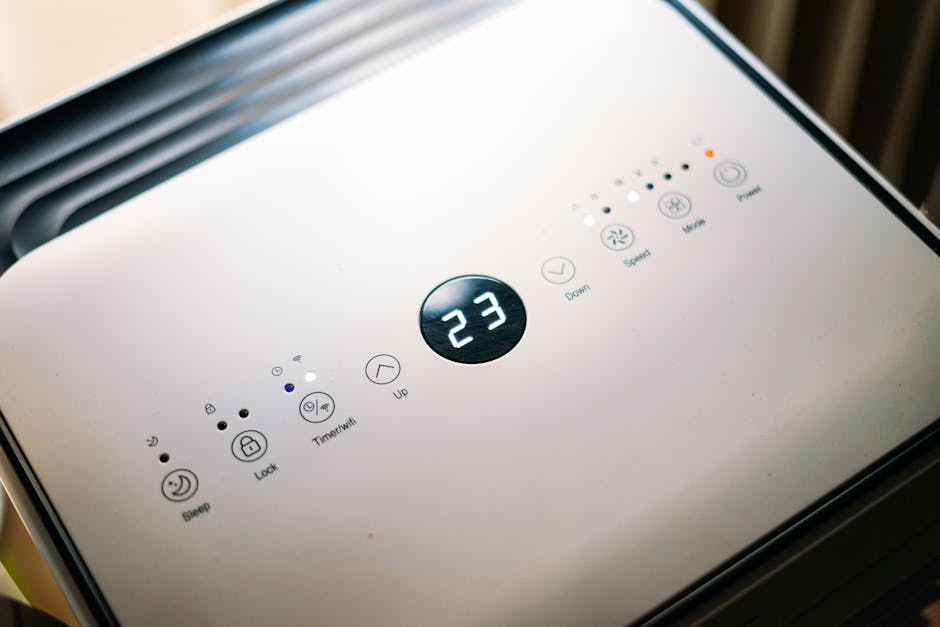
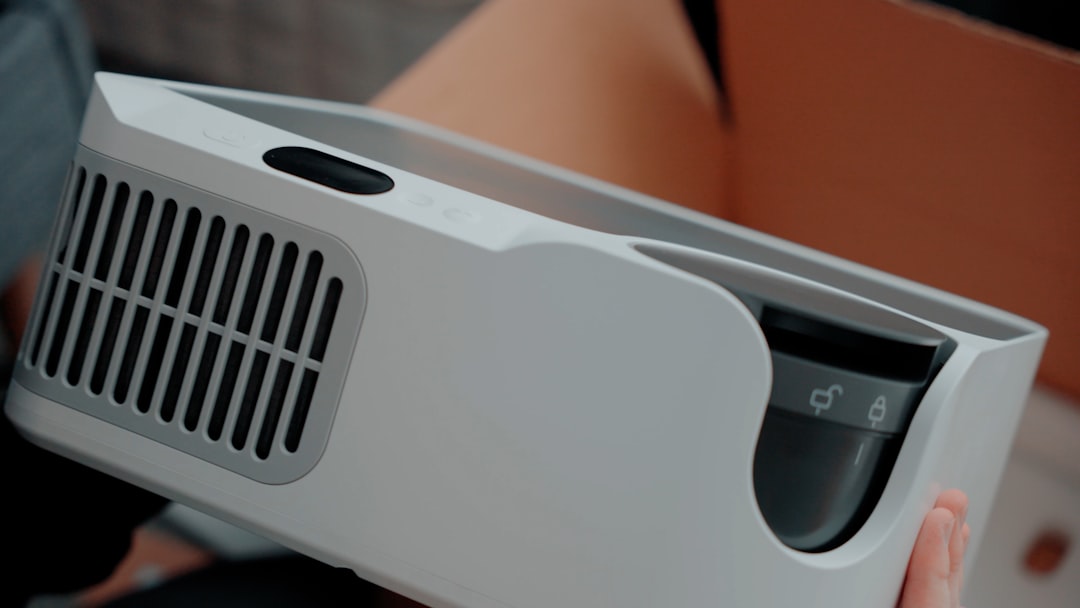
A portable air conditioner is a self-contained unit that can be moved from room to room, offering temporary spot cooling. These units work by drawing in warm air, cooling it using refrigerants, and then expelling the hot air and moisture through an exhaust hose typically vented out a window. They can be a lifesaver in an emergency.
While a portable air conditioner won’t cool your entire home as effectively as a central AC system, it can make a significant difference in a single room, like a bedroom or living area. They come in various sizes and cooling capacities (measured in BTUs), so it’s important to pick one appropriate for the room size you’re trying to cool. They also collect condensate, which either needs to be manually drained or is evaporated out through the exhaust hose depending on the model. This is a great short-term solution to stay comfortable until your main system is back online.
What Are the Alternatives to Central AC for Emergency Cooling?
Beyond portable AC units, several other options can provide relief when your central air conditioning fails. These alternatives range from simple fans to more complex setups, each with its own benefits and drawbacks. Knowing these options can help you prepare for unexpected breakdowns.
- **Window Air Conditioners:** These are more powerful than portable units for a single room and typically more efficient. If you have one stored away or can borrow one, they offer excellent spot cooling.
- **Evaporative Coolers (Swamp Coolers):** Best for dry climates, these units cool air by evaporating water. They add humidity, so they’re less effective in humid Raleigh, but can still offer some relief in a pinch.
- **Fans (Box, Tower, Ceiling):** As mentioned, strategic placement can make a big difference. Box fans in windows, ceiling fans to circulate air, and personal fans for direct cooling are all useful.
- **Cold Compresses & Ice Packs:** Applying cold compresses to pulse points (wrists, neck, groin) can help lower your core body temperature.
- **Staying Hydrated with Cold Drinks:** Icy drinks can help cool your body from the inside out.
Remember, these are temporary measures. Our goal is always to get your central system up and running again for long-term reliability.
When Should You Call a Professional for AC Repair?
While temporary solutions can help you cope, knowing when to call for professional AC repair is key to avoiding further damage and restoring comfort. If you’ve tried basic troubleshooting and your system remains unresponsive, or if you notice any of the following, it’s time to pick up the phone. Neil Henderson, who writes for Parkside Plumbing & HVAC, emphasizes that act early prevents costly damage.
You should contact us for HVAC services if you observe:
- **No Cool Air:** The most obvious sign. If the unit is running but blowing warm air, there’s a problem with the cooling cycle.
- **Strange Noises:** Grinding, squealing, banging, or persistent rattling sounds can indicate issues with motors, belts, or other internal components.
- **Unusual Odors:** A burning smell could signal an electrical problem, while a musty smell might point to mold in the ducts or drain line issues.
- **Leaking Water:** Water pooling around your indoor unit suggests a clogged condensate drain or a frozen coil that has thawed. For issues like this, we also handle drain and sewer line services that might be related if the condensate line is backing up into the main system.
- **Constantly Running System:** If your AC runs non-stop without reaching the set temperature, it’s inefficient and likely struggling with a repairable issue.
- **Repeated Circuit Breaker Trips:** As mentioned, this is a clear sign of an electrical overload that needs expert diagnosis.
- **No Power at All:** If the unit won’t turn on even after checking the thermostat and breaker.
“Regular, professional maintenance can prevent up to 75% of emergency HVAC repairs. Proactive care extends unit lifespan and maintains efficiency.”
What to Expect When You Call Parkside Plumbing & HVAC
When you reach out to us for an AC repair, you can expect prompt, reliable service from experienced professionals. We understand the urgency when your air conditioning is broken in summer. Our team, with over 20 years of industry experience across plumbing, heating, cooling, and related home systems, is equipped to diagnose and repair issues efficiently. We’ll dispatch a skilled technician to your Raleigh home or business to assess the situation.
Our process typically includes:
- **Thorough Diagnosis:** We’ll perform a detailed inspection of your entire HVAC system, from the thermostat to the outdoor unit, to pinpoint the exact cause of the failure.
- **Clear Explanation:** We’ll explain our findings in plain language, so you understand the problem and the proposed solution.
- **Upfront Pricing:** You’ll receive a clear, upfront estimate before any work begins, so there are no surprises.
- **Efficient Repair:** Our technicians carry a wide range of common parts, allowing us to complete most repairs on the first visit. We focus on long-term reliability for your system.
- **Post-Repair Check:** We’ll test the system to ensure it’s running optimally and answer any questions you have.
We pride ourselves on providing one-call convenience for multiple trades. If we find an issue that crosses over into electrical or even plumbing (like a clogged condensate line), we have the expertise to address it. We’re committed to keeping your home comfortable and safe.
Practical Tips for AC Maintenance and Preventing Future Breakdowns
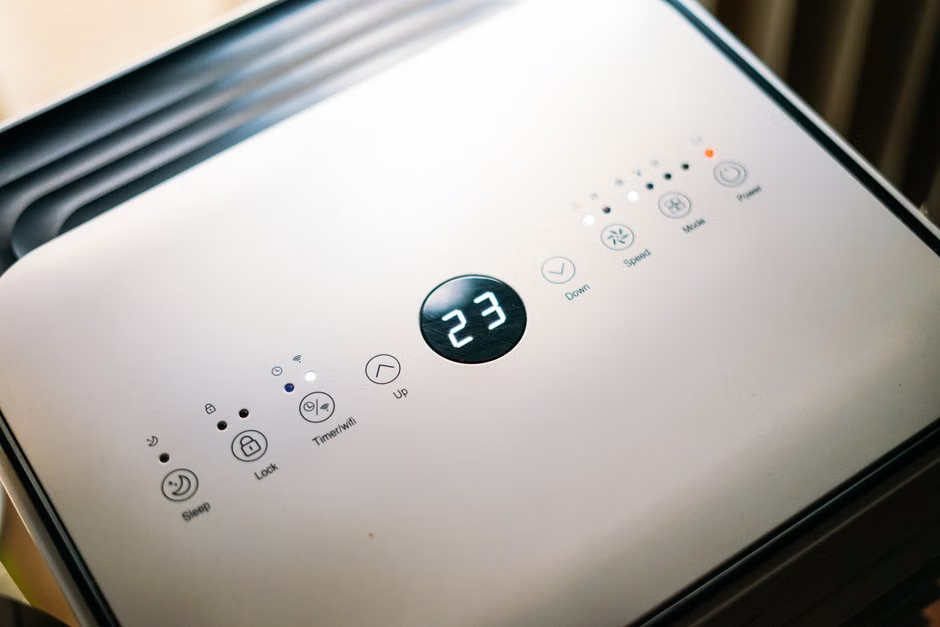
Preventing future AC breakdowns is often simpler and less costly than emergency repairs. Regular maintenance is a smart investment you can make in your home or business. A well-maintained air conditioner can last years longer than a neglected one, keeping your energy bills lower and your comfort higher.
Here are 5 practical tips to keep your AC running smoothly:
- **Change Air Filters Regularly:** This is perhaps the easiest and most impactful maintenance task. We recommend changing them every 1-3 months, especially during peak usage or if you have pets.
- **Schedule Annual Professional Tune-Ups:** Just like your car, your AC needs a yearly check-up. Our technicians can clean coils, check refrigerant levels, inspect electrical components, and identify potential issues before they become major problems.
- **Keep Outdoor Unit Clear:** Ensure the condenser unit outside is free from dirt, leaves, grass clippings, and other debris. Clear at least two feet of space around it.
- **Maintain Your Thermostat:** Understand how to program your thermostat for optimal efficiency. Consider upgrading to a smart thermostat for better control and energy savings.
- **Listen to Your System:** Pay attention to any unusual sounds or smells. Addressing minor issues quickly can prevent them from escalating into major, expensive repairs.
When you invest in consistent care for your HVAC system, you’re investing in your home’s comfort, safety, and efficiency.
When Raleigh’s summer heat becomes unbearable due to a broken air conditioner, we know you need a dependable team to get things back to normal. We’re here to provide reliable service and solutions, whether it’s a quick fix or a more involved repair. Don’t let a malfunctioning AC system disrupt your peace of mind or jeopardize your family’s comfort. Trust the experienced professionals at Parkside Plumbing & HVAC to restore your cool, swiftly and effectively. Contact us today, and let us handle your home comfort needs with skilled handling and genuine care.