

As the Raleigh summer heats up, keeping your home a comfortable oasis becomes a top priority. No one wants to walk into a stifling house after a long day, but the thought of soaring energy bills can be just as unwelcome. We understand that balancing comfort with cost is a constant challenge for homeowners and businesses alike.
Maintaining a comfortable indoor environment without breaking the bank requires a smart approach. It’s not just about turning on the AC; it’s about making sure your system works as efficiently as possible. We’re here to guide you through practical steps and professional insights to achieve that balance.
At Parkside Plumbing & HVAC, we’ve been helping our neighbors in Raleigh stay cool for over 20 years. We know the local climate and the unique demands it places on your cooling systems. From routine check-ups to urgent repairs, our reliable professionals ensure your home is keeping your home comfortable. If you’re ever facing issues with your cooling system, don’t hesitate to explore our HVAC services for expert assistance.
What is AC Efficiency, and Why Does It Matter for Your Summer Bills?
AC efficiency refers to how effectively your air conditioning system converts electricity into cooling power. A highly efficient unit provides the desired cooling using less energy, directly translating into lower utility bills. It matters because inefficient systems waste energy, costing you more money and putting unnecessary strain on the grid.
In simple terms, an efficient AC unit is like a well-tuned engine: it gets the job done without burning through extra fuel. Key metrics like SEER (Seasonal Energy Efficiency Ratio) help us understand this. Higher SEER ratings generally indicate greater efficiency. For example, the U.S. Department of Energy (DOE) sets minimum efficiency standards, and units exceeding these standards can offer significant savings over their lifespan. This doesn’t just save you money; it also contributes to long-term reliability for your equipment.
“Homeowners can often reduce their energy consumption by 20% to 40% through energy efficiency improvements, with heating and cooling being among the biggest opportunities.”
What Are the Best AC Efficiency Tips for Summer to Keep Your Home Cool Without Breaking the Bank?
Keeping your home cool efficiently involves a mix of smart thermostat use, regular maintenance, and addressing home insulation. Simple adjustments like setting your thermostat higher when away and ensuring clean filters can significantly reduce energy consumption. Proactive maintenance from skilled handling professionals helps prevent major issues and keeps your system running smoothly.
Air Conditioner Settings for Summer: What’s Optimal?
Setting your air conditioner to an optimal temperature is crucial for both comfort and efficiency. During the summer, we recommend setting your thermostat to around 78°F (26°C) when you’re home and awake. When you’re away or asleep, raising the temperature by 7-10 degrees can lead to substantial energy savings without compromising comfort too much.
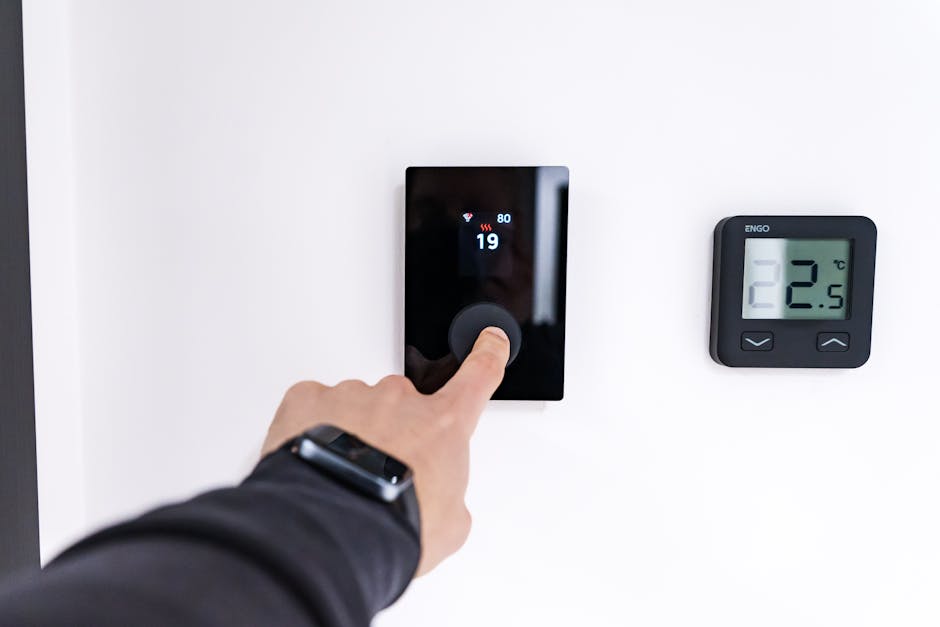
Programmable or smart thermostats are a smart investment here. They allow you to schedule temperature changes automatically, so your home can be warmer when you’re out and cool down just before you return. This consistent care prevents the AC from working harder than it needs to, saving you money and extending the life of your unit. Neil Henderson, who writes for Parkside Plumbing & HVAC, often highlights how these small changes can make a big difference.
How to Keep a Room Cool in Summer Without AC?
Even with an efficient AC, sometimes you need to cool specific rooms or simply want to supplement your system. Utilizing natural ventilation, strategically placed fans, and blocking out sunlight can make a big difference. These methods help reduce the overall load on your air conditioner, especially for “hot spots” in your home.
Here are some practical strategies:
- Use Fans: Ceiling fans and portable fans don’t cool the air itself, but they create a wind-chill effect on your skin, making you feel cooler. Make sure ceiling fans are rotating counter-clockwise in summer to push air down.
- Block Sunlight: Close curtains, blinds, and shades during the hottest parts of the day. Darker, heavier fabrics or blackout curtains are particularly effective at preventing solar heat gain through windows.
- Ventilate at Night: Open windows on opposite sides of your house or apartment during cooler evening hours to create a cross-breeze. Close them first thing in the morning to trap the cooler air inside.
- Reduce Indoor Heat Sources: Incandescent light bulbs, ovens, and even electronics generate heat. Opt for LED lighting, use your grill outdoors, and run heat-producing appliances like dishwashers and dryers in the evening.
- Consider a Window AC Unit or Mini-Split AC: For particularly stubborn rooms or additions not connected to your central system, a standalone window AC unit or a ductless mini-split AC system can provide targeted cooling without needing to cool your entire home. They offer efficient spot cooling.

What Should I Look For If My AC Isn’t Cooling Efficiently?
Recognizing the signs of an inefficient AC system early can save you from costly repairs down the line. We’ve seen countless issues in our 20+ years in the industry, from minor nuisances to major system failures. If your AC isn’t performing like it used to, it’s telling you something.
Keep an eye out for these common indicators:
- Weak Airflow: If air isn’t blowing strongly from your vents, or if some rooms are getting less air than others, you might have duct issues or a problem with your blower fan.
- Warm Air: The most obvious sign is if your AC is running but only blowing warm or lukewarm air. This could indicate low refrigerant levels, a compressor issue, or a clogged filter.
- Unusual Noises: Grinding, squealing, banging, or persistent rattling noises are never normal. They often point to mechanical problems like a failing motor or loose components.
- Strange Odors: A musty smell could mean mold in your ducts or condensate drain. A burning smell often indicates an electrical issue, which requires immediate attention from an electrical services professional.
- High Humidity: Your AC unit should not only cool but also dehumidify. If your home feels clammy even when cool, its dehumidifying function might be compromised.
- Frequent Cycling: If your AC turns on and off too often (short-cycling), it’s working harder than it should be, wasting energy and accelerating wear and tear.
- Pooling Water: Water leaks around your indoor unit could signal a clogged condensate drain, which, if left unaddressed, can lead to water damage. Our plumbing services can often assist with these types of drain issues.
Keeping House Cool in Extreme Heat: Beyond the AC
When temperatures soar to extreme levels, your AC unit might struggle, and additional measures become essential to maintain comfort and safety. Think of it as a multi-layered approach to heat management, supporting your AC rather than solely relying on it. Extreme heat puts everyone at risk, so preparation is key.
One critical aspect is ensuring your home is properly sealed. Gaps around windows and doors, or poor insulation, let cool air escape and hot air seep in. This makes your AC work much harder. We find that many minor household repairs, like weatherstripping or sealing cracks, can significantly impact efficiency. Our handyman services can address these small but crucial tasks that contribute to your home’s overall thermal envelope.
Consider also how heat builds up in your attic. Proper attic ventilation helps hot air escape, preventing it from radiating down into your living spaces. An attic fan or well-maintained vents can make a noticeable difference in attic temperatures, which in turn reduces the load on your cooling system. In extreme heat, every little bit helps.
“Exposure to extreme heat can lead to heat-related illnesses such as heat stroke and heat exhaustion, which can be life-threatening. Staying hydrated and in a cool environment are paramount.”

Practical Tips for Year-Round AC Efficiency
Efficiency isn’t just a summer concern. Consistent care throughout the year ensures your system is ready for whatever Raleigh weather throws at it. Proactive maintenance is one of the smartest investments you can make in your home or business, leading to long-term reliability.
- Regular Filter Changes: This is perhaps the easiest and most impactful tip. A dirty filter restricts airflow, forcing your system to work harder. Check and replace or clean your air filter monthly, especially during peak use seasons.
- Keep Outdoor Unit Clear: Ensure your outdoor condenser unit is free of debris like leaves, grass clippings, and shrubs. Allow at least two feet of clearance around the unit for optimal airflow.
- Seal Leaky Ducts: Leaky ducts can lose a significant amount of cooled air before it reaches your rooms. Have your ductwork inspected and sealed if necessary. This improves airflow and efficiency.
- Regular Professional Maintenance: Schedule annual tune-ups with a trusted HVAC professional. This includes checking refrigerant levels, cleaning coils, inspecting electrical components, and ensuring all parts are working correctly. We’ve seen firsthand how a well-maintained furnace or air conditioner can last years longer than a neglected one.
- Consider Smart Home Integration: Smart thermostats and zoned cooling systems allow for precise temperature control, ensuring you’re only cooling the areas you’re using.
- Upgrade Older Units: If your AC unit is more than 10-15 years old, it’s likely far less efficient than newer models. While an investment, a new, energy-efficient unit can pay for itself in energy savings over time.
Keeping your home comfortable and your energy bills manageable this summer is entirely achievable with a bit of planning and consistent attention. By implementing these AC efficiency tips and understanding the signs your system might be struggling, you’re making a smart investment in your home’s long-term reliability. Our team at Parkside Plumbing & HVAC is always ready to provide the skilled handling and expertise you need, ensuring one call covers it all for your cooling, heating, plumbing, and electrical needs here in Raleigh.